


One cold radiator
Usually trapped air or a closed valve. The fix is local to that room and the rest of the house keeps heating while it waits.
One form replaces the calls you'd make to find a boiler pro.
Start one formYou've got the boiler running, maybe you can hear it, but the radiators stay cold or only warm up halfway. In a Maine winter that's not something to let ride. Most boilers here run on oil, and a system that's not circulating heat properly is one that's working harder and burning more fuel to get nowhere. Something between the boiler and the radiator is stopping heat from getting where it needs to go.
Radiators that stay cold or only heat partway almost always point to air trapped in the line or sludge built up inside the radiator itself. Air rises to the top of a radiator and sits there, blocking hot water from filling the rest of it, which is why you'll often find the bottom warm and the top stone cold. Sludge does the opposite, settling at the bottom and choking off flow so the top heats while the bottom stays cold. A failing zone valve or circulator pump can cause the same thing across an entire zone instead of one radiator. With oil prices what they are in Maine, a boiler fighting a blocked radiator is burning fuel to heat water that never reaches you.
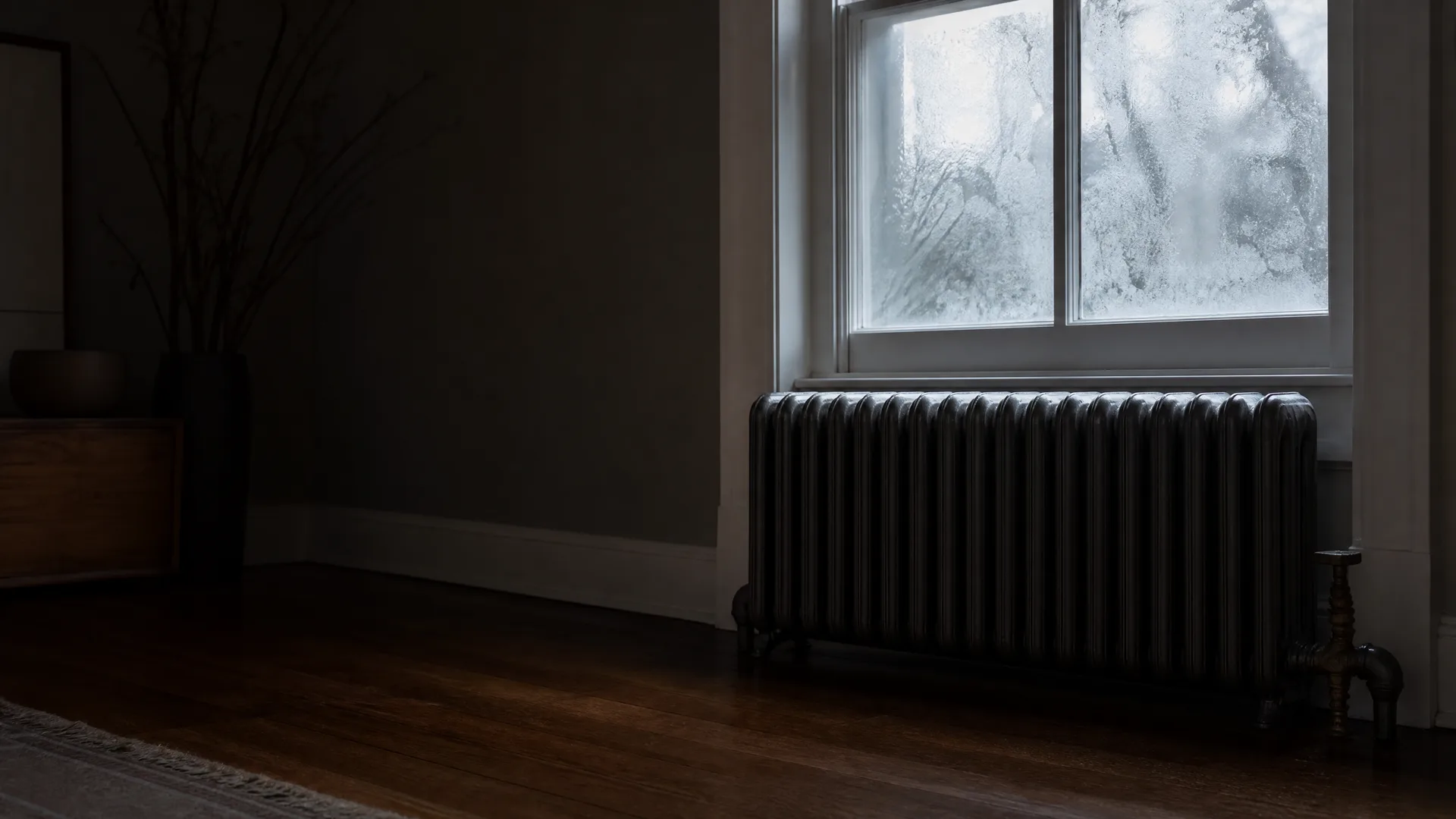
You get up before it's light out and the living room is cold in a way it shouldn't be with the boiler running. The radiator under the window hasn't done anything. You put a hand on it, top and bottom, both stone cold, and the window above it has ice built up on the inside of the glass, a thin white film across the lower corners. Outside it's still deep January dark. You can hear the boiler working somewhere below you, oil burning, but whatever it's making isn't getting to this room. The cat won't go near that side of the house anymore. You add a sweater and go check the next radiator down the hall, already guessing what you'll find.


Your boiler's job is just to heat the water. Getting that water to the radiators is the circulator pump's job, a small motor usually mounted near the boiler that pushes water through the pipes. If that pump isn't turning, hot water sits in the boiler and never reaches the radiators at all, no matter how long the burner runs. From there, the water has to get past the zone valve for whatever part of the house you're trying to heat. Most Maine homes are split into zones so you can heat the rooms you're using, and each zone has its own valve that opens when that thermostat calls for heat. If a valve sticks shut, that zone goes cold while the rest of the house might be fine. Even with the pump running and the valve open, air pockets in the pipes can block water from getting through, which is why radiators have a bleed valve near the top, usually a small square fitting you turn with a key or screwdriver to let trapped air hiss out until water follows. And the aquastat, mounted on the boiler itself, decides when the water's hot enough to send out. If it's reading wrong, the boiler can fire all day while sending out water that's barely warm. Any one of these, the pump, a valve, trapped air, the aquastat, can leave you with a working boiler and cold radiators.


Your request stays with one local pro.
Sending the form costs nothing.
A boiler that's firing but not circulating still burns oil the whole time it runs. You get the fuel cost without the heat, which shows up fast in a Maine winter.
Bleeding a radiator or resetting a zone valve takes a few minutes once someone's found the right one. Finding which radiator or which valve is the problem is the part that takes a trained eye.




A radiator that's cold at the top but warm at the bottom usually just has air trapped in it. The bleed valve is the small square-headed fitting near the top of the radiator. Shut off the boiler, hold a cup under it, and turn the valve with a radiator key or screwdriver until water comes out in a steady stream with no hissing. That's it. If the radiator heats up fully after that, you didn't need anyone. If it's still cold, or the valve won't turn, or water doesn't come out at all, that's a sign of something past a quick fix, like a stuck zone valve or a circulator that's not running.
If you've bled every radiator in the house and some are still cold, or the boiler keeps firing with no heat reaching any of them, the problem is further up the system than a homeowner can reach safely. That could be a zone valve stuck shut, a circulator pump that's seized or not wired right, or low system pressure that needs the right gauge and a slow refill. Oil boilers also have their own firing and safety checks that aren't meant for guesswork. Someone who services boilers in your area every winter will have seen the exact failure before and know where to start, instead of working through it from scratch.


Usually trapped air or a closed valve. The fix is local to that room and the rest of the house keeps heating while it waits.
Points to the circulator pump or the boiler's controls. Oil keeps burning with nowhere for the heat to go until it's found.
At 13°F, a cold radiator stops being a comfort problem fast. A boiler that's circulating keeps every room above that even when the window glass is freezing over. One that isn't lets a room slide toward outside temperature while the oil burner keeps running regardless.
NOAA nClimDiv 1991-2020 county normals weighted by homes

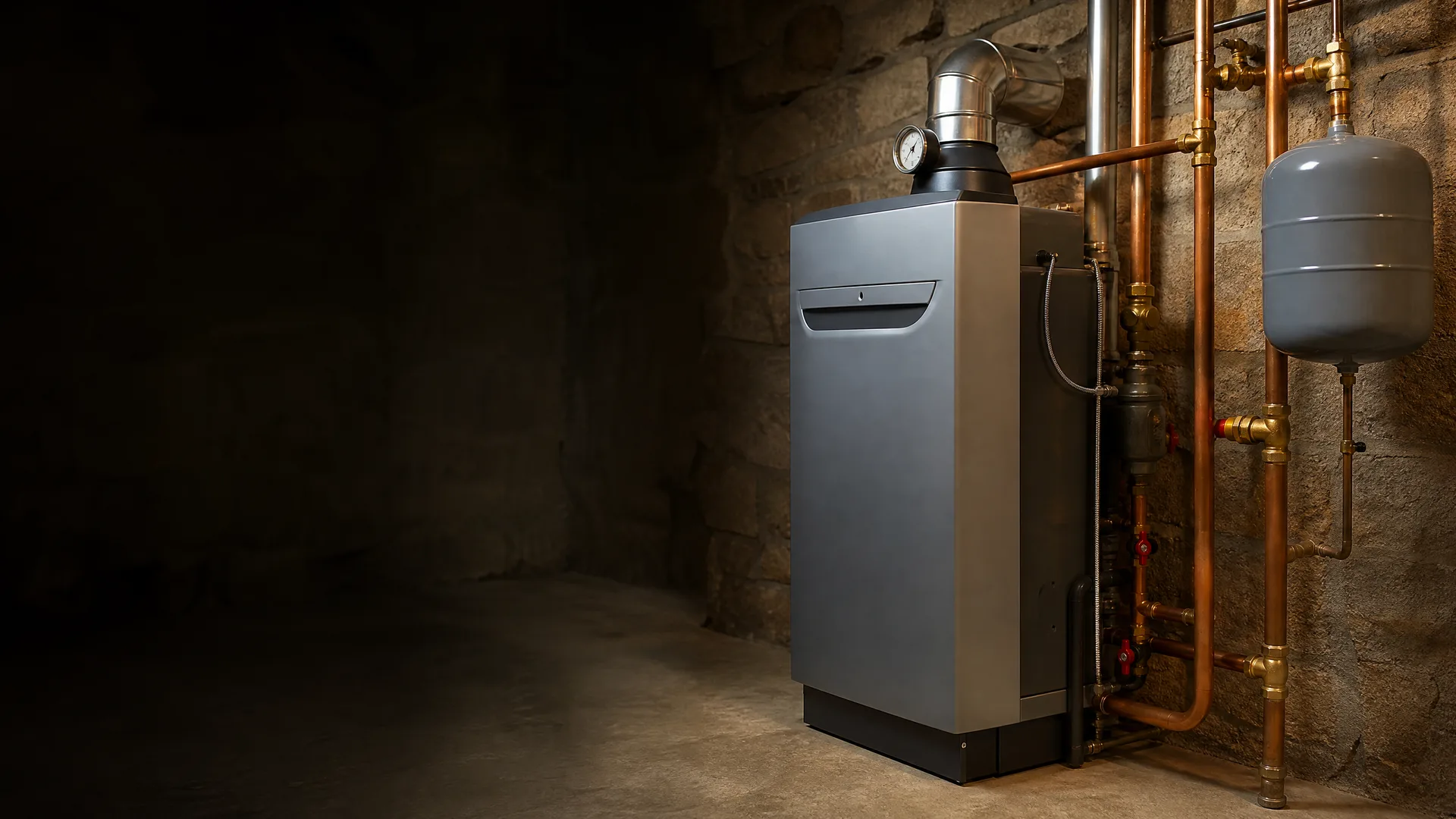
Every pipe fitting is tight, the expansion tank holds steady pressure, and the flue draws clean. Oil fires, the circulator pushes water out to every radiator, and the whole basement setup runs quiet instead of clanking or knocking.

This older unit still runs on its original iron piping alongside newer copper. That mix is where trouble tends to start, a fitting gives out or a valve seizes, and heat stops reaching the rooms that need it.

Right now it's one room that won't heat. You shut the door and use a space heater and figure it can wait. But the boiler doesn't know the radiator is cold. It keeps firing on its normal cycle, burning oil the whole time, because nothing told it the heat isn't getting where it's supposed to go. That's oil you're paying for and not getting back as warmth, on top of power rates that are already high here. Left alone, a stuck zone valve or a failing circulator doesn't fix itself. It tends to take more of the house with it as the weeks go on.
Finding someone to look at it is its own chore in the middle of all that: searching around, calling a few places, describing the same cold radiator three times, then sitting with quotes trying to guess who actually knows oil boilers. This connects you with one local contractor who works on these systems all winter and knows what usually causes a radiator to go cold in a Maine house. No comparing bids, no explaining it over and over. Just the one call, to someone who's heard this exact problem before.

Winter nights average 13°F across Maine, according to NOAA. At that temperature, a boiler that's circulating properly is working its hardest just to keep radiators warm to the touch. One that's stuck, with a zone valve closed or air trapped in the lines, can't keep up at all. The room it feeds will drop fast, and you'll feel it first at the windows and floors, cold creeping in even with the boiler running nonstop. Oil doesn't stop burning just because the heat isn't reaching the radiator. On a night that cold, the gap between a working system and a stuck one shows up within hours, not days.
NOAA nClimDiv 1991-2020 county normals weighted by homes
A cold radiator in a Maine house almost always comes down to trapped air, a stuck zone valve, or a circulator pump that's quit pushing water where it needs to go. None of those are mysteries once someone's hands are on the system. What matters is getting someone who works on boilers like yours all winter, someone who's opened up enough of these systems to know which one of those three it is before they've even bled a valve. A local, licensed contractor who does this kind of work every season can usually tell from how the boiler sounds and which radiators are cold whether it's a five-minute fix or something in the circulator. You call once, you talk to one person who knows the trade, and you're not stuck fielding calls from three different companies while your living room stays cold. The oil keeps burning either way until it's fixed, so the radiators not heating up isn't something to live with through a Maine winter. It's a known problem with a known fix, and someone qualified can get to it.
No phone calls to make