

Gauge holding steady
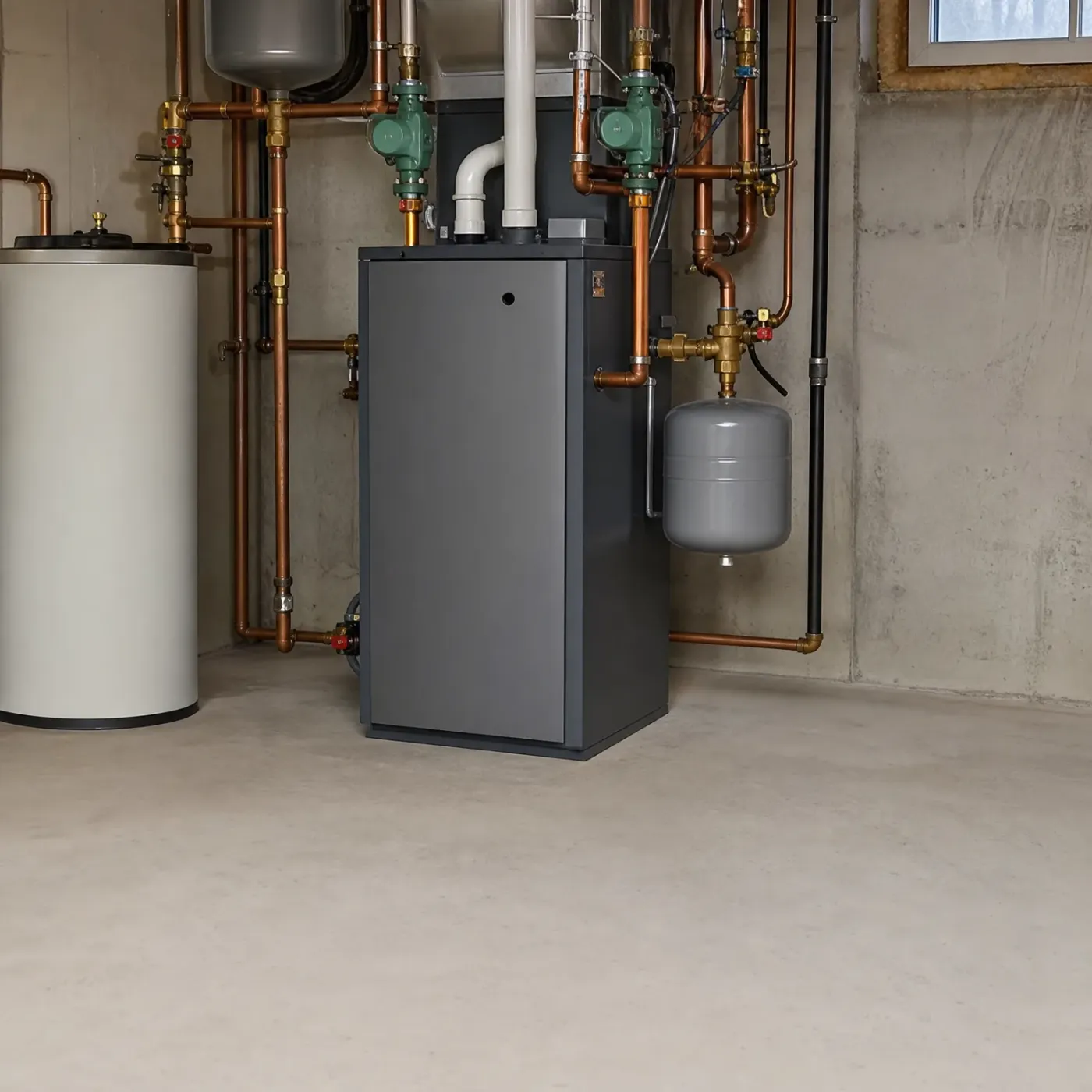
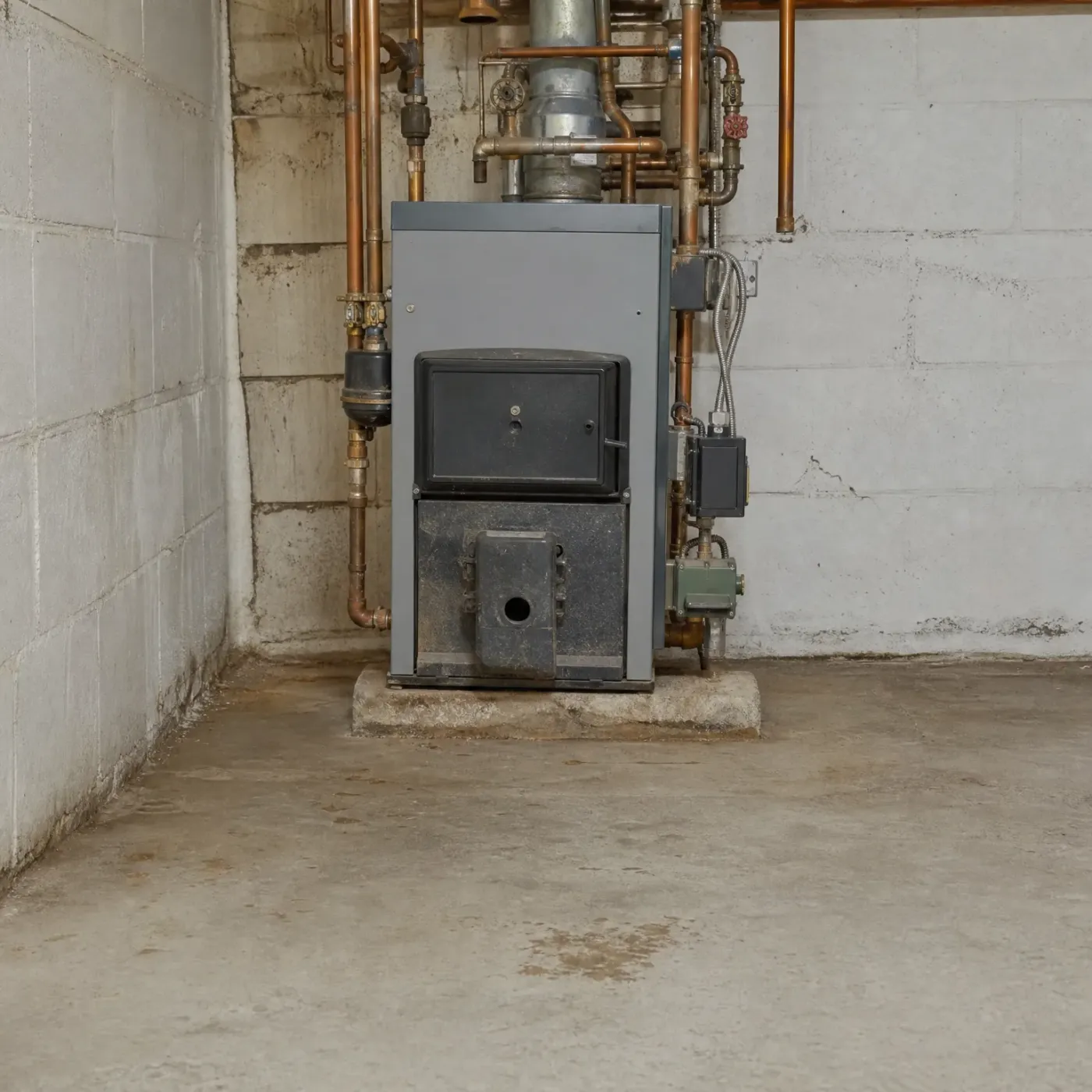
This is what the loop looks like when it's not losing water. The needle sits where it should, the copper joints are dry, and the expansion tank on the wall is doing its job without you thinking about it.
After this form, you can stop searching for a boiler pro.
Let a pro reach outYou keep bleeding the system or topping it off at the filling loop, and a day or two later the gauge has dropped again. With oil heat running most of the morning and night to keep the house warm, a boiler that won't hold pressure means less heat getting to the rooms people are actually sitting in, and that's the part that worries you.
Water is leaving the system faster than it should, and it's going one of two ways. Either it's escaping through a small leak at a joint, a radiator valve, or the pump seal, or it's venting out through the pressure relief valve because something upstream is pushing pressure too high. A boiler that's run hard all winter puts more stress on both of those points than one that only cycles on and off a few times a day. If the drops are slow, a pinhole leak somewhere in the pipework is the likely cause. If it drops fast after you bleed a radiator, air is probably getting back into the system through the same spot the water is getting out.
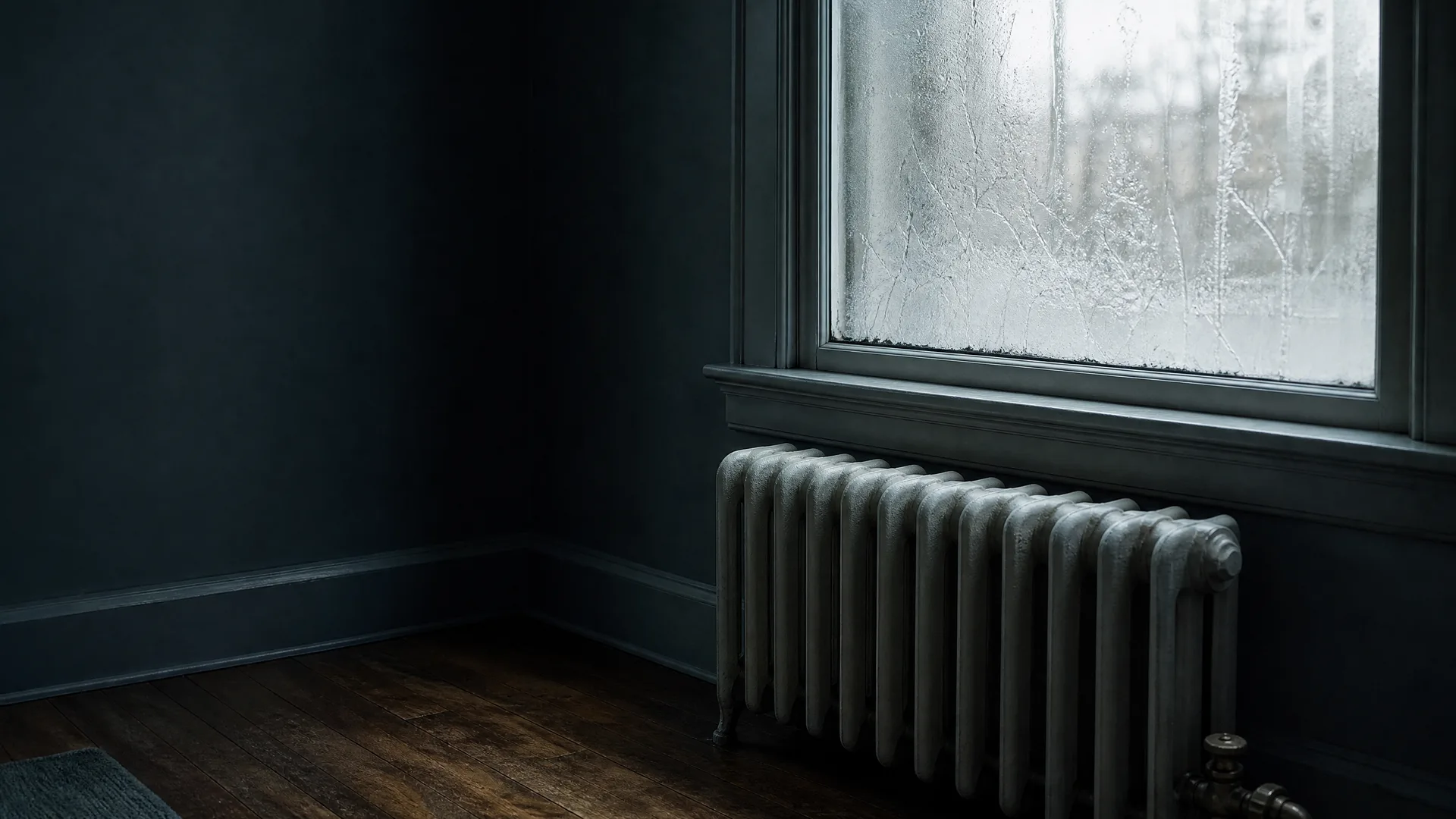
You're up before the rest of the house, same as every morning this January. The thermostat clicked the burner on an hour ago and the living room still hasn't shaken the cold. Ice has crept up the inside of the window glass, and under it the cast-iron radiator is barely warm at the bottom, cold at the top. You crouch down and check the gauge on the boiler anyway, out of habit now. Low again. You know what comes next: find the filling loop, top it off, listen for it to climb back to where it should sit. The dog's waiting by the radiator like always. The house will warm up. It just takes longer than it used to.
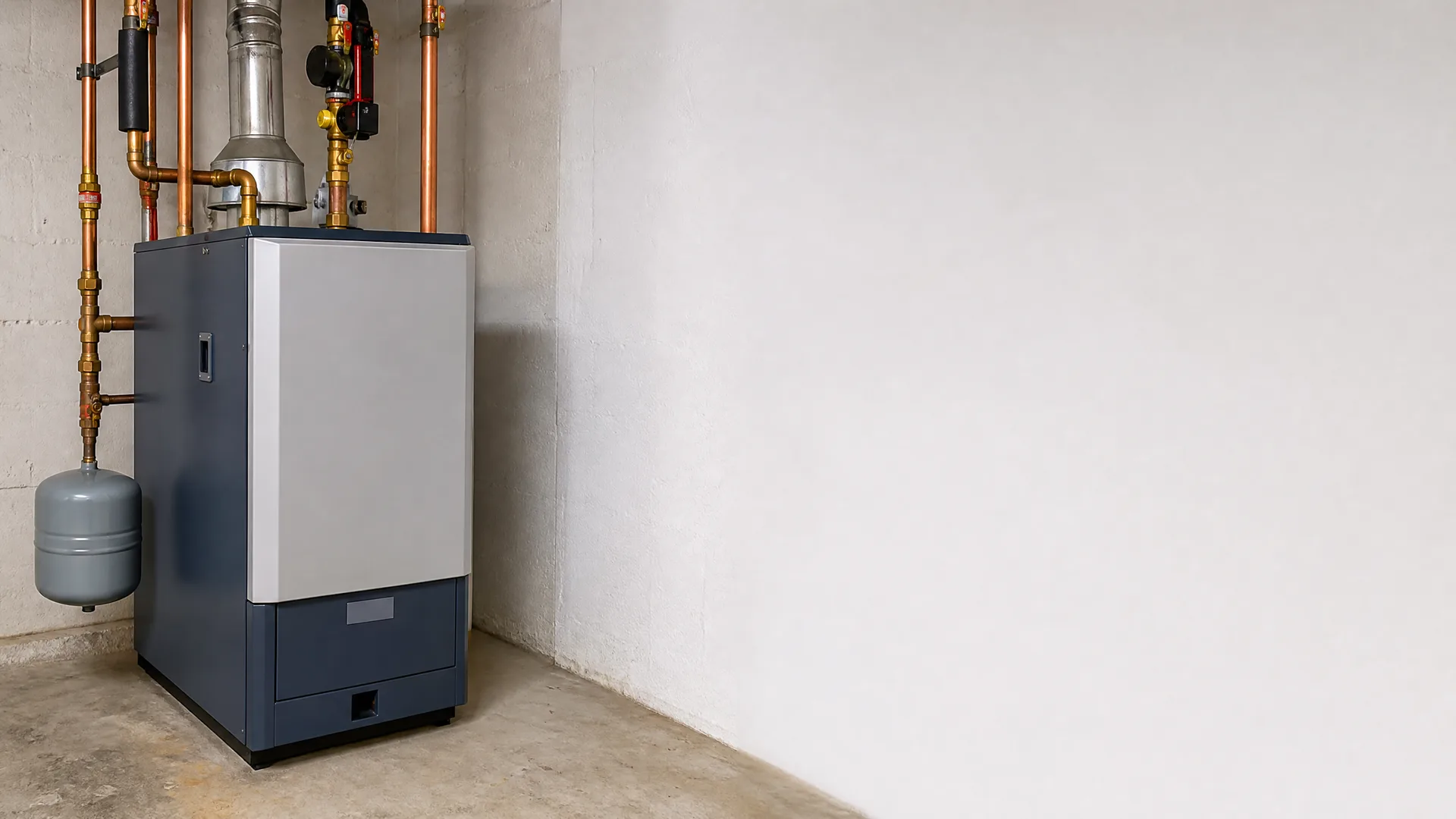
A boiler is a closed loop. The same water should circulate for years without needing more added. When you have to top it off at the filling loop more than once in a while, that water went somewhere, either out through a joint or valve as liquid, or out through the air vents as steam. Oil-fired systems that run hard through a Maine winter put more cycles on every seal and fitting, and a slow leak that was nothing in October shows up as a half-pound drop by January.
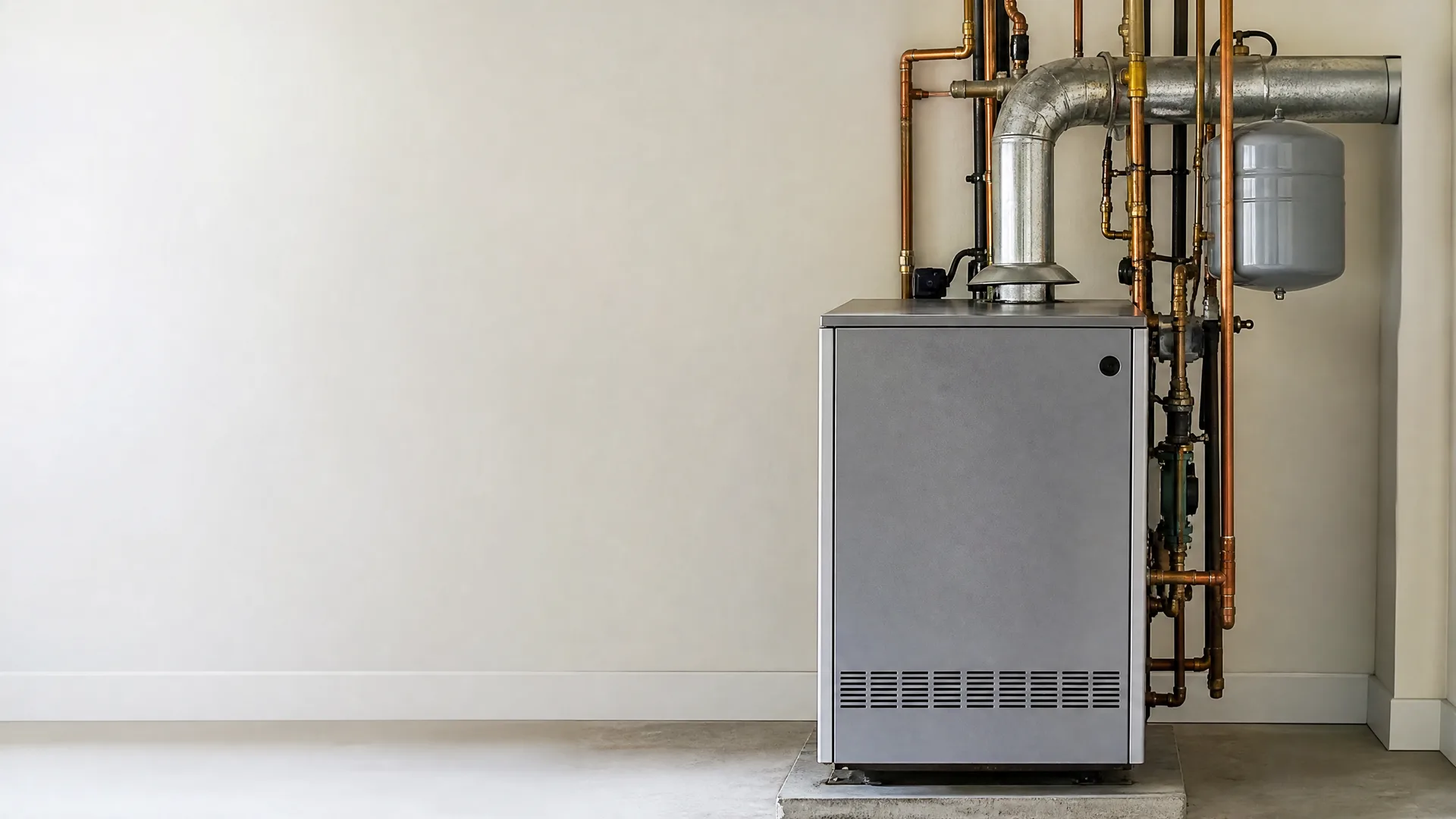
Most residential boilers are built to hold somewhere around 12 to 15 psi cold. That number matters because it is what keeps water circulating up to radiators on the top floor without air getting pulled in behind it. Once pressure sits below that range, the pump can pull air into the system instead of water, and you get the cold spots and the banging in the pipes that usually bring someone to search for why the pressure keeps dropping in the first place.
Check the gauge before you bleed a radiator again. If it reads low every few days, look at the floor around the boiler and the pipes near the expansion tank for a damp patch or a white, chalky crust where water dried and left minerals behind. Listen for a faint hiss near a fitting. Check the relief valve for drips. A radiator that stays cool at the top while the bottom is warm is air, not necessarily a leak, but it's worth noting if it keeps happening. Left alone, a boiler running low on water can shut itself down or damage its own components, and on a cold morning that's the last thing you want to be dealing with.
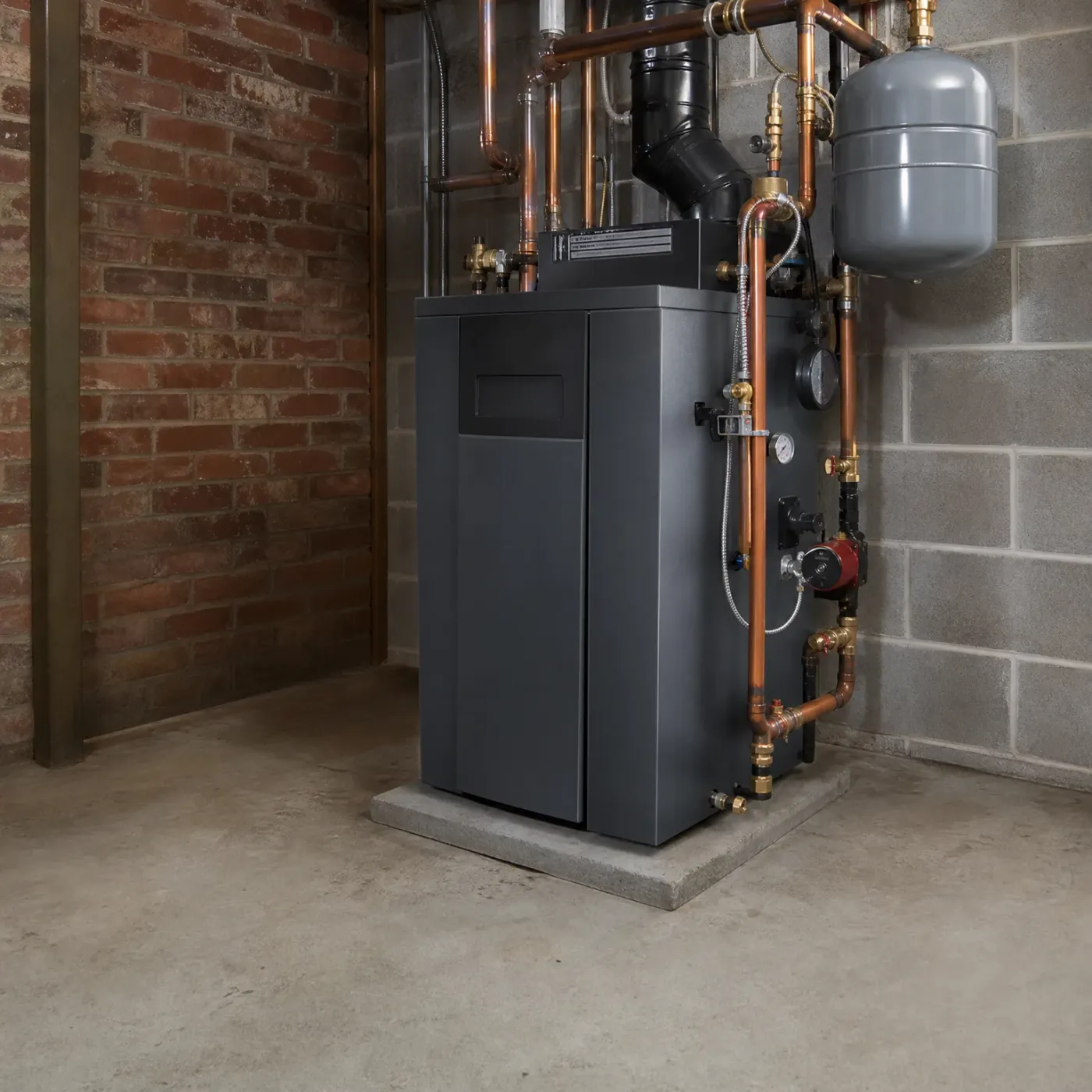
This is what the loop looks like when it's not losing water. The needle sits where it should, the copper joints are dry, and the expansion tank on the wall is doing its job without you thinking about it.
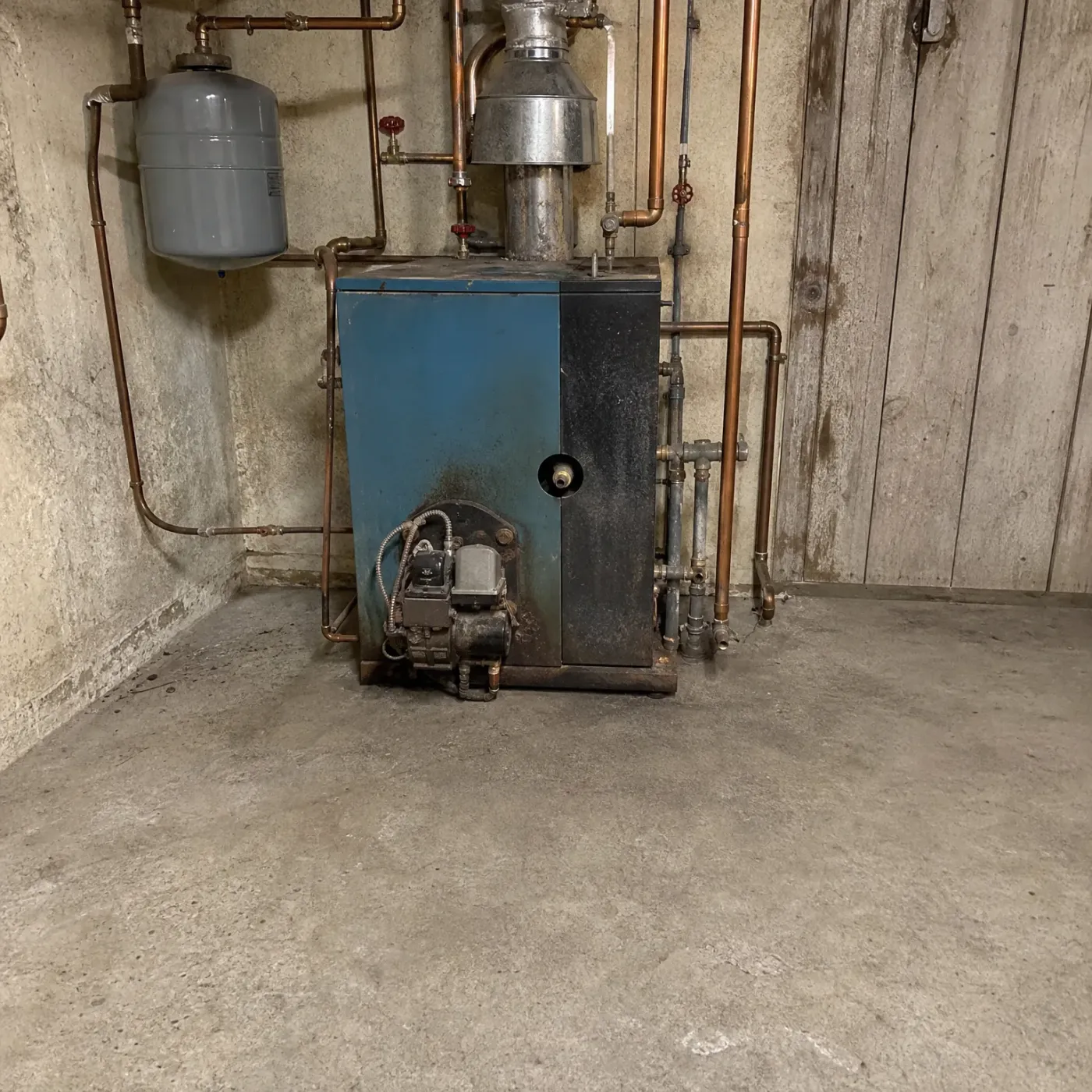
Older cast iron, more joints, more years of heat cycling through them. Somewhere in that network of pipe a seal has given out or the expansion tank isn't holding its charge, and the water is finding a way out.
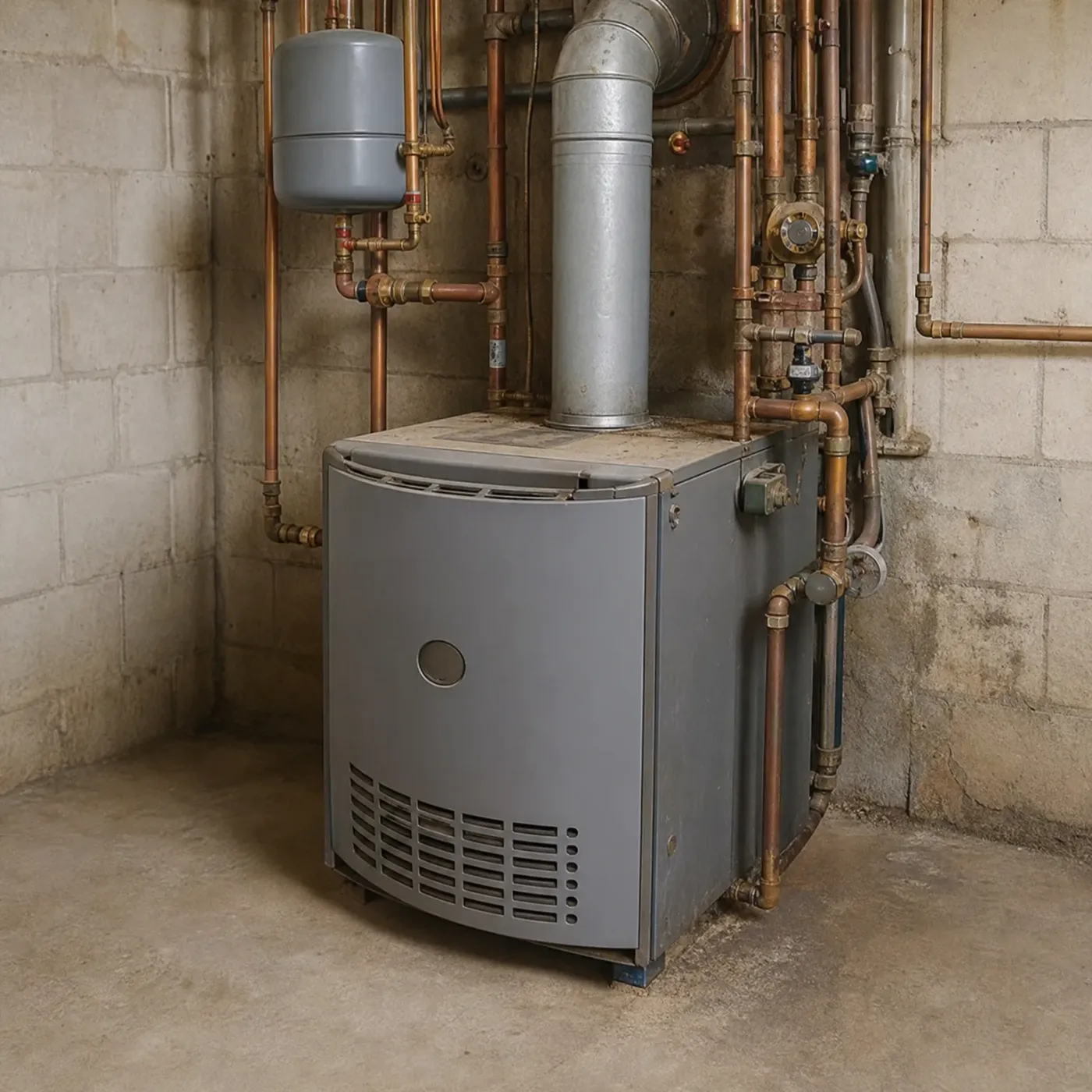
A boiler that keeps losing pressure will not fix itself, and another week of bleeding radiators and topping off the loop is another week of oil burning through a system that isn't holding water the way it should. Maine winters don't give you room to let that slide. Someone who works on boilers all over this state every heating season has seen what a slow weep at a fitting turns into, and what a bad expansion tank does to a gauge, long before it gets to the point where the burner shuts itself down. That's the kind of read on the problem that comes from doing this work locally, season after season, not from a guess over the phone. Send the request and it goes to one contractor who covers your area and knows this equipment, not a handful of companies competing for the job. From there, finding someone to look at it is off your plate. You can go back to watching the gauge, or you can get someone out to tell you why it keeps dropping.
A boiler holds a fixed amount of water in a closed loop, and an expansion tank gives that water somewhere to go as it heats. Inside the tank is a rubber bladder with air on one side. When the bladder loses that air charge, water fills the whole tank instead, and the system has nowhere to expand into but the pressure relief valve, which opens around 30 psi and dumps water onto the floor to protect the boiler. That's one way pressure disappears. The other way is slower. Water gets into the system through a pressure reducing valve, sometimes called a fill valve, that's supposed to open only when pressure drops below where it should sit. If that valve is stuck or worn, it can quietly backfill a leak you'd otherwise notice on the gauge, which hides the real problem until it's bigger. Meanwhile, air that gathers at a zone valve or a high point in the piping takes up room water used to occupy, so the gauge reads low even though nothing actually escaped. And a pinhole leak in a baseboard element or an old cast-iron radiator section rarely pools on the floor. It evaporates as the boiler cycles overnight, so by morning there's nothing to see, just a lower number on the gauge and a system working harder to keep the house warm through another cold stretch.




A slow drip at a fitting or valve is still small. Repaired now, it's a short visit, and the boiler keeps your house warm the rest of the winter without more thought from you.
A leak that's gone unfixed has had time to get worse. More water lost means more cold starts, more oil burned, and a higher chance the boiler shuts itself down some night it's below freezing.
Overnight lows average 13°F across Maine in December, January and February, so your boiler is firing for hours at a stretch most nights. Every one of those cycles pushes water through joints and valves under pressure, and a slow leak that might hold on in a milder climate shows up fast here.
NOAA nClimDiv 1991-2020 county normals weighted by homes
Water heats and expands, pushing into the expansion tank's air cushion
Pressure climbs past the relief valve's limit, and it opens to dump water
That water drains through a pipe toward the floor or outside wall
A loose fitting or failing valve seeps slowly under normal pressure
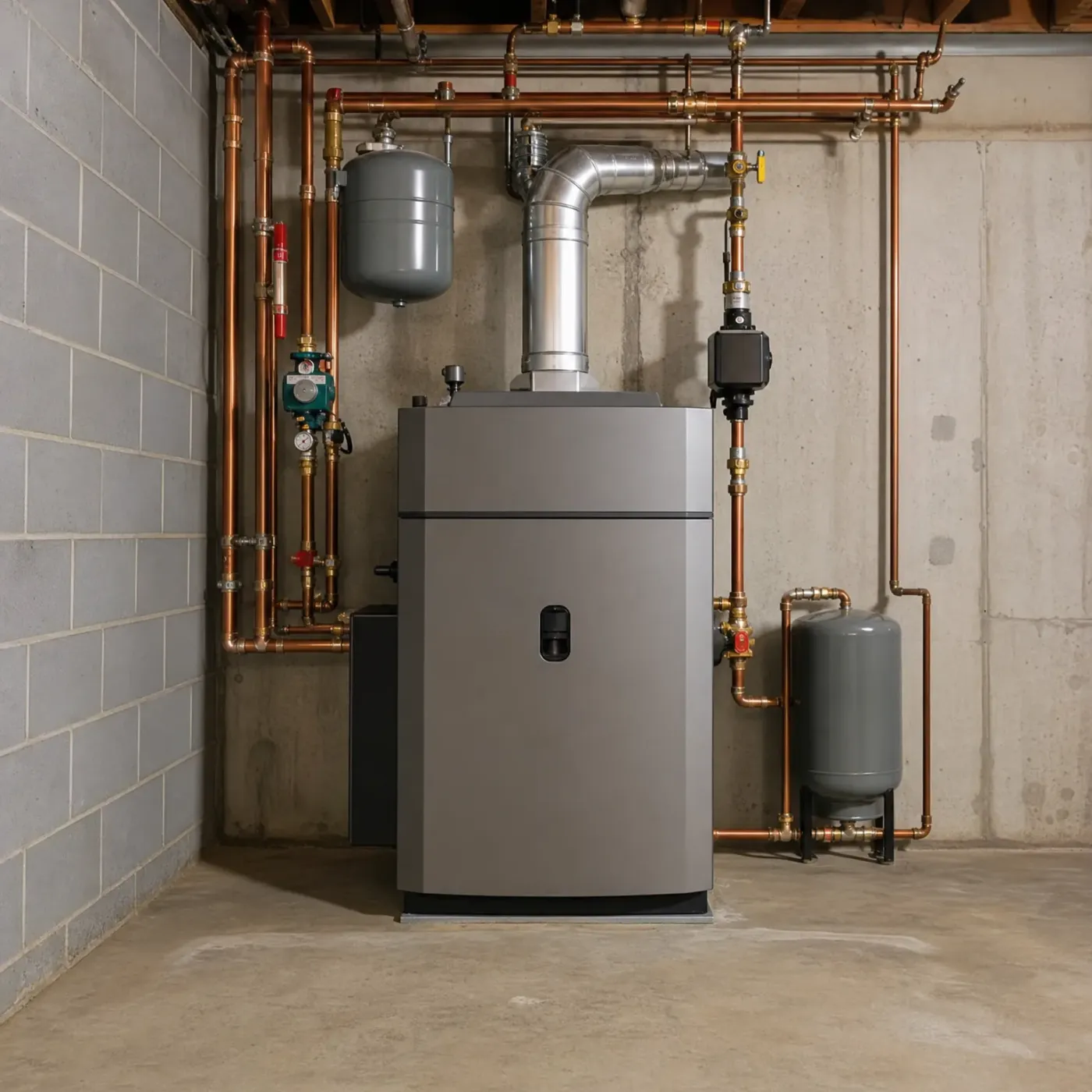
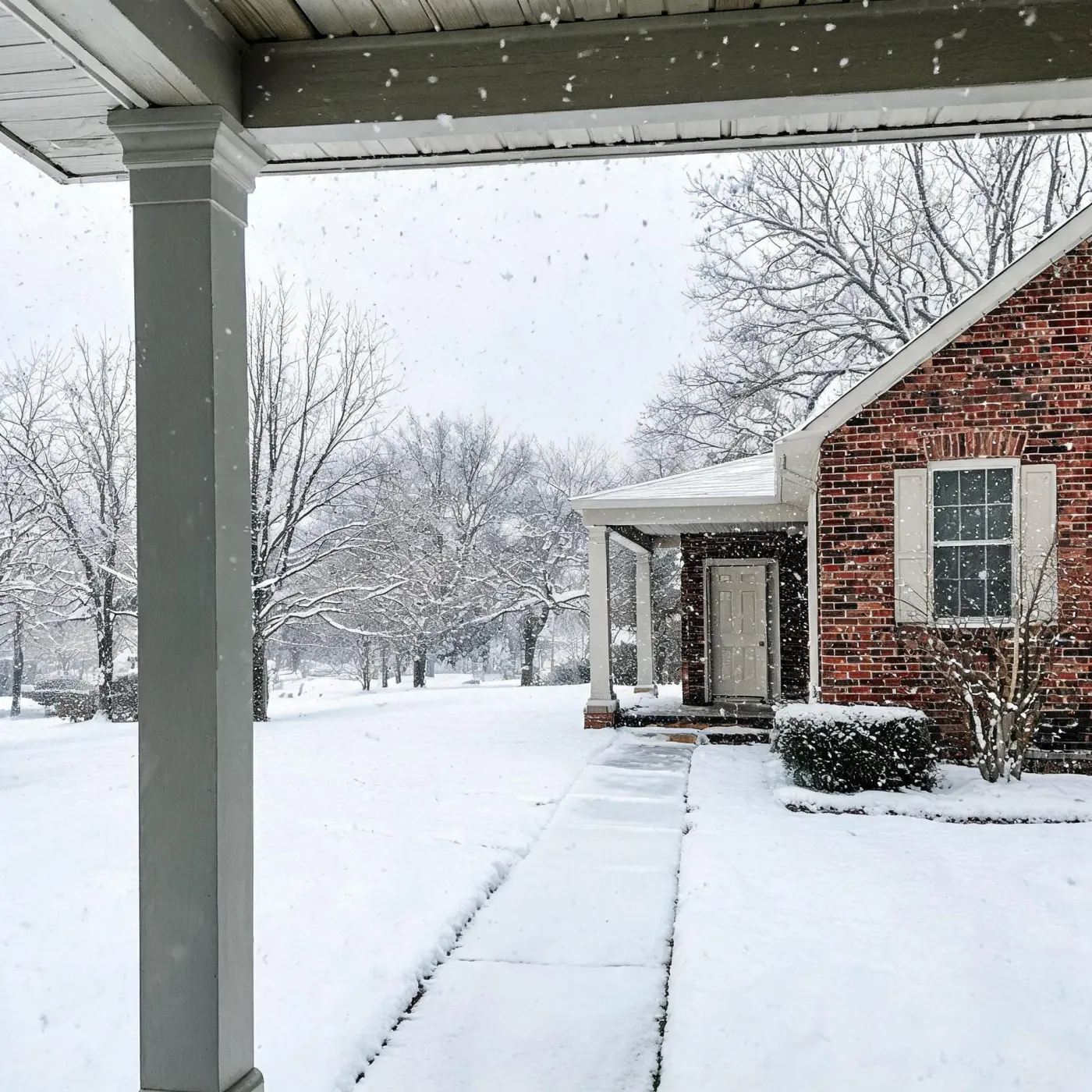
Winter nights average 13°F statewide, according to NOAA climate data, and that's the average, not the cold snap. A night like that keeps your boiler cycling on and off for hours instead of running once and holding. Each cycle brings the water up to pressure, then lets it fall back as the burner shuts off, and every joint and valve in the loop takes that swing over and over. A fitting that's just starting to seep won't show much on a mild fall evening. Run it through a string of 13°F nights and the same small weep empties the gauge faster, which is why the drop you're topping off now tends to get worse once the real cold settles in.
NOAA nClimDiv 1991-2020 county normals weighted by homes
A boiler losing pressure almost always comes down to a leak somewhere in the loop or a fill valve and expansion tank that aren't doing their job anymore, and either one is something a boiler tech sees over and over in Maine homes every winter. You don't need to keep guessing at it from the gauge. A licensed local contractor who works on oil heat systems all season knows where these leaks tend to show up and what a waterlogged tank looks like before it gets worse, and once you send the request, it goes to one contractor, not a handful of companies calling you back at once. That's the person who'll be standing at your boiler, not a stranger reading a service ticket for the first time. You've already done the part that matters, watching the gauge and catching the pattern. The rest is a repair someone local handles on equipment they know, so your house holds its heat the way it's supposed to for the rest of the winter.
Finding a pro stops being your job