






Signs your boiler won't last a Maine winter

Step 1 of 3: Equipment

A boiler that won't make it through a Maine winter usually tells you before it quits outright. Watch for short cycling, water leaking around the base, rooms that used to heat evenly now running cold, or the burner taking longer to catch and sounding rougher when it does. Rust on the heat exchanger or around fittings matters more here than in a lot of places, because a Maine boiler runs hard for months straight once the cold sets in and a weak spot has no chance to rest. If it's already struggling in November, it has little left for January. Most Maine homes heat with oil, and an oil boiler that's starting to fail often shows it through soot, a burner that won't stay lit, or oil use climbing with nothing else explaining it. None of these mean the boiler is done. They mean it needs a look now, while there's still time to fix it instead of replace it outright.

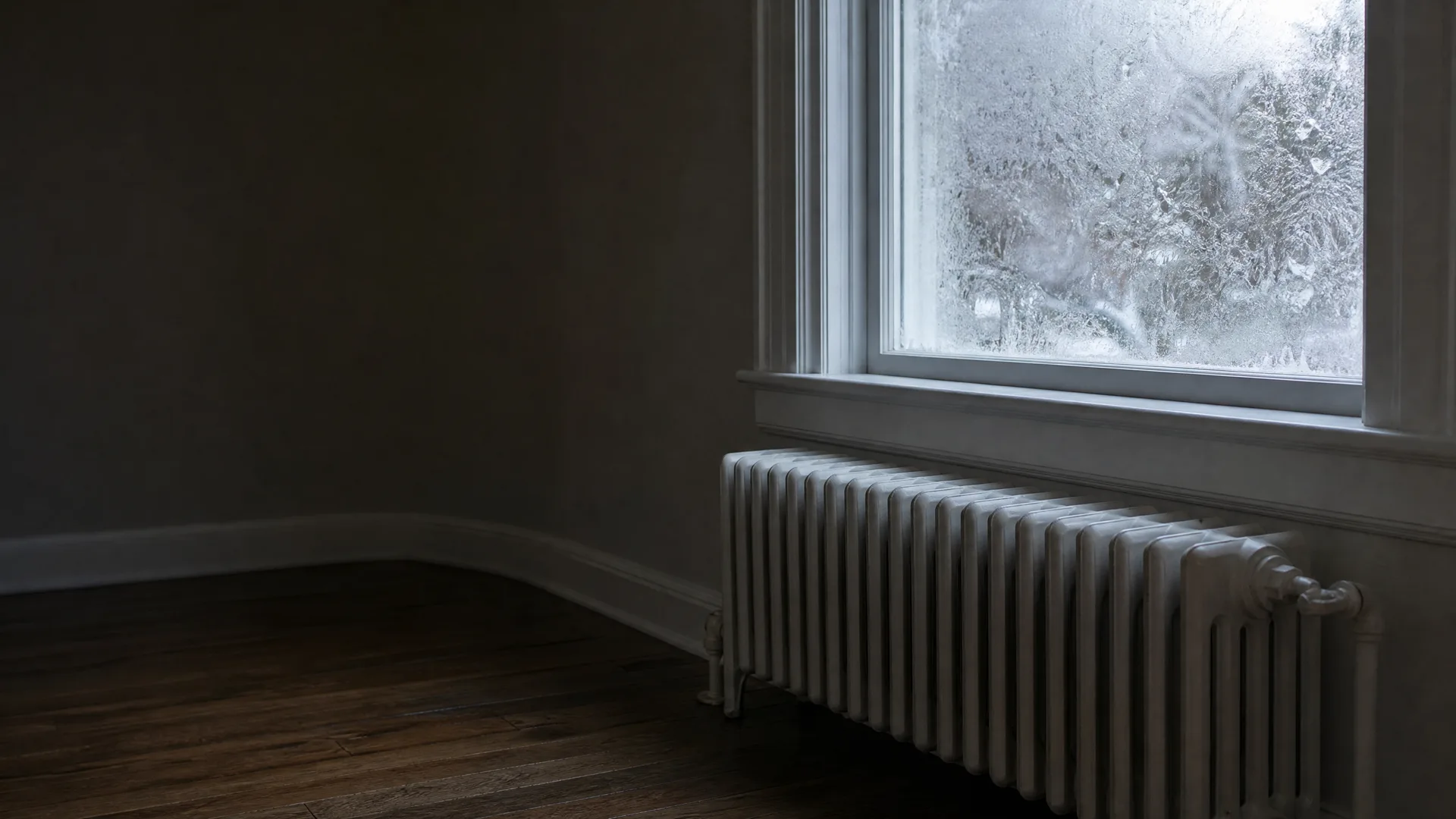
A white cast-iron column radiator under a frosted window in a dim empty room with dark walls and a wood floor, with snowy trees visible outside.

You're up before the house is warm, before it's even light. The thermostat clicked on twenty minutes ago and the radiator under the window is still cold to the touch. Ice has crept across the inside of the glass, feathered at the edges. You sit on the couch with your coat still on, waiting for the clank and tick that means the boiler caught. It doesn't come. Outside it's maybe ten degrees, the kind of January morning Maine gives you a lot of. You put a hand flat on the cast iron one more time, hoping. Nothing yet. Somewhere down in the basement, the burner is trying.

Why does my boiler keep kicking on and off for short bursts?

You've noticed the burner firing, running for a few minutes, then shutting off, then firing again before the house even feels warm. It happens over and over through the evening. You're not sure if this is just how the boiler runs in cold weather or if something's actually wrong, and with oil prices what they are, you don't want it burning fuel for no reason.

Short cycling usually means the boiler is overheating and shutting itself off to protect the heat exchanger

A boiler is built to run a full cycle, heat the water, push it out to the radiators or baseboards, and shut off once the thermostat is satisfied. When it's short cycling, something is making the water temperature spike too fast, and a high limit switch is cutting power to the burner before the cycle finishes. The usual cause is low water flow through the system, often from a circulator pump that's failing or a zone valve stuck partway closed. Sludge built up at the bottom of an older cast iron boiler can do the same thing by blocking heat from transferring into the water. Either way, the boiler is working harder and burning more oil to put out less heat, which in a Maine winter means a bigger tank refill sooner than you'd expect.

A smiling man in a dark navy sweater sits on a light sofa in a living room, with a glass bowl of popcorn on a wooden coffee table and bookshelves behind him.
A smiling man in a dark green sweater sits on a tan leather sofa in a dimly lit living room, with a bowl of popcorn in the foreground and a kitchen area blurred behind him.
A smiling middle-aged man in a dark shirt sits on a gray sofa in a living room, with a bowl of popcorn on a side table and shelves, a window and kitchen area behind him.
A smiling bearded man in a dark gray t-shirt sits on a gray couch in a living room, with a large glass bowl of popcorn on a wooden table in the foreground.

Repair It or Replace It

Repair it this winter

  • A cracked heat exchanger or a flooded flue chamber rules out repair, but a bad zone valve, circulator pump, or aquastat usually doesn't.
  • If the boiler is heating the house, just unevenly or with more noise than before, a technician can often trace that to one part rather than the whole unit.
  • Oil boilers in Maine often run for decades if the burner and controls get serviced, so age alone isn't a reason to give up on one.
  • A repair gets you through this winter without the cost or disruption of a full swap, which matters when it's already cold.
  • If the short cycling or cold rooms started recently, after a service visit, a storm, or no clear reason, that points to a fixable cause rather than the boiler failing wholesale.

Replace before deep winter

  • Rust showing through the jacket, or water stains that keep coming back after you've wiped them up, usually means the tank or heat exchanger is going, not a hose or fitting.
  • If a technician has already replaced the same part twice in two years, the next failure is likely a different part, and then another.
  • A boiler that can't hold the house at temperature on the coldest nights, even with everything running, isn't going to get better as it gets colder.
  • Soot around the burner door or a flame that looks orange instead of blue points to a combustion problem that often outlasts repeated fixes.
  • With oil heat and some of the highest electric rates in the country here, a boiler running inefficiently all winter costs you in ways a single repair bill doesn't show.
  • If it's already failed more than once this fall, before the hardest cold has even arrived, that's a pattern, not bad luck.
  1. Cold water enters and the burner fires to heat it.

  2. The aquastat reads water temperature and tells the burner when to stop.

  3. A circulator pump pushes hot water out to each zone.

  4. Zone valves open to let heat into the rooms calling for it.

A woman with dark hair in a bun reclines on a sofa with her eyes closed, wrapped in a cream fleece blanket, a closed blue hardcover book resting in front of her, with a lit lamp and a vase of dried flowers in the background.
A smiling bearded man in a navy sweater sits at a candlelit dinner table with a glass of red wine, a bowl of salad, and plates of food in the foreground.
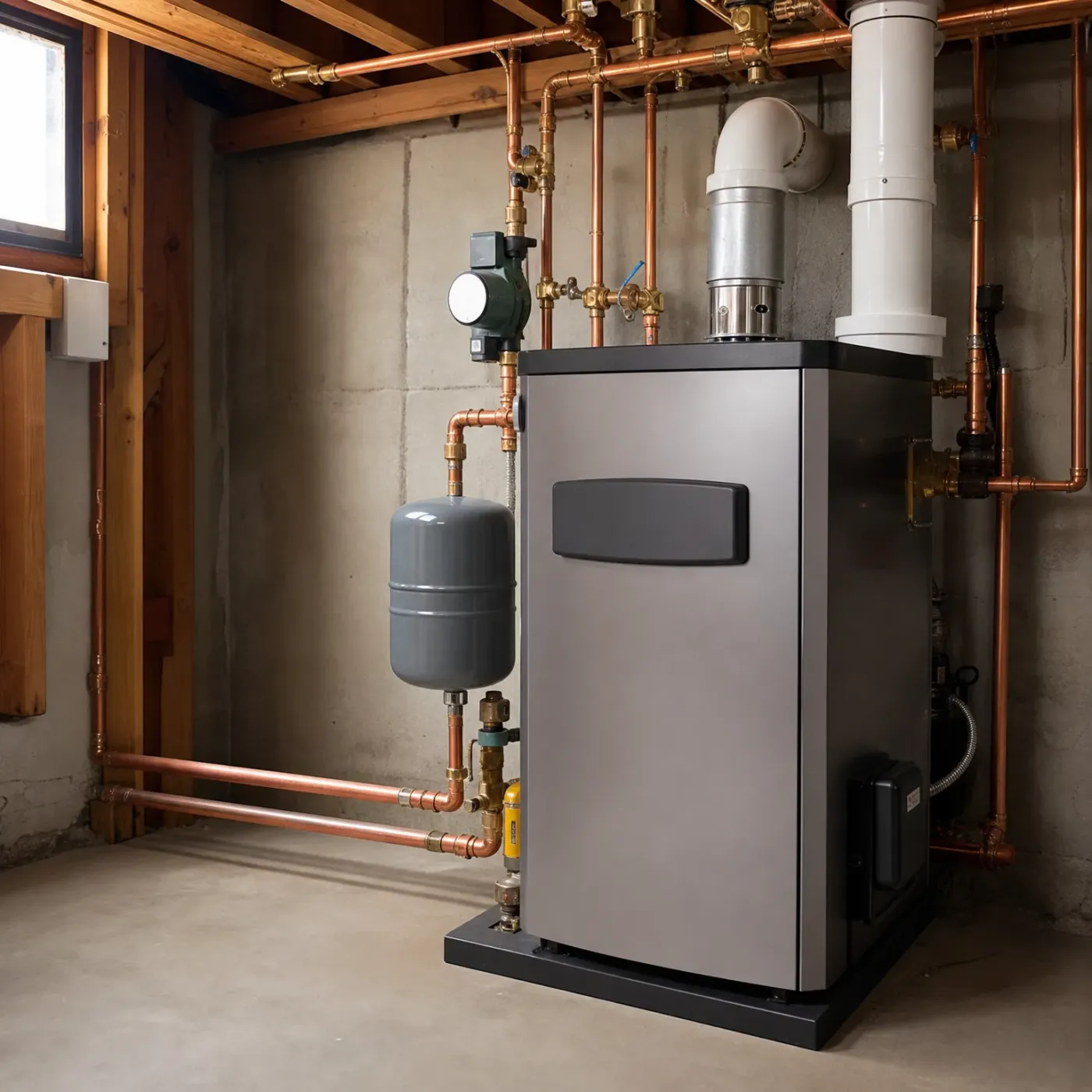
A gray boiler on a black base in a basement with concrete walls, connected to copper piping, a circulator pump, a gray expansion tank, and white and metal flue vent pipes.

Hand off the boiler problem

Explain the job once and skip repeating it on every call.

After this form, you can stop searching for a boiler pro.

Describe it once

Asking costs nothing, and the choice to hire stays yours.

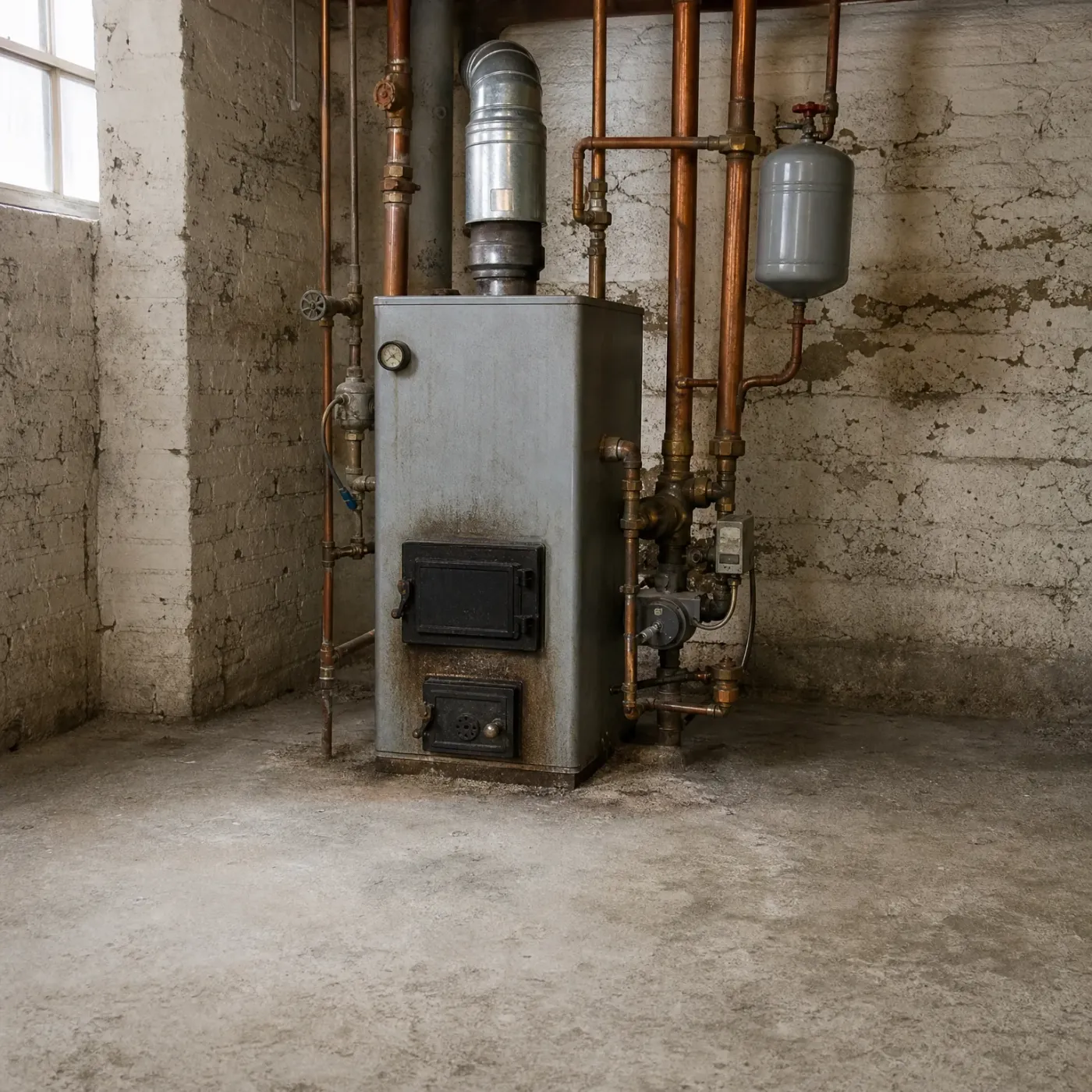
An old gray boiler with copper piping, a flue duct, pressure gauge and an expansion tank stands in the corner of a basement with painted masonry walls and a bare concrete floor.
Before you get your boiler repair
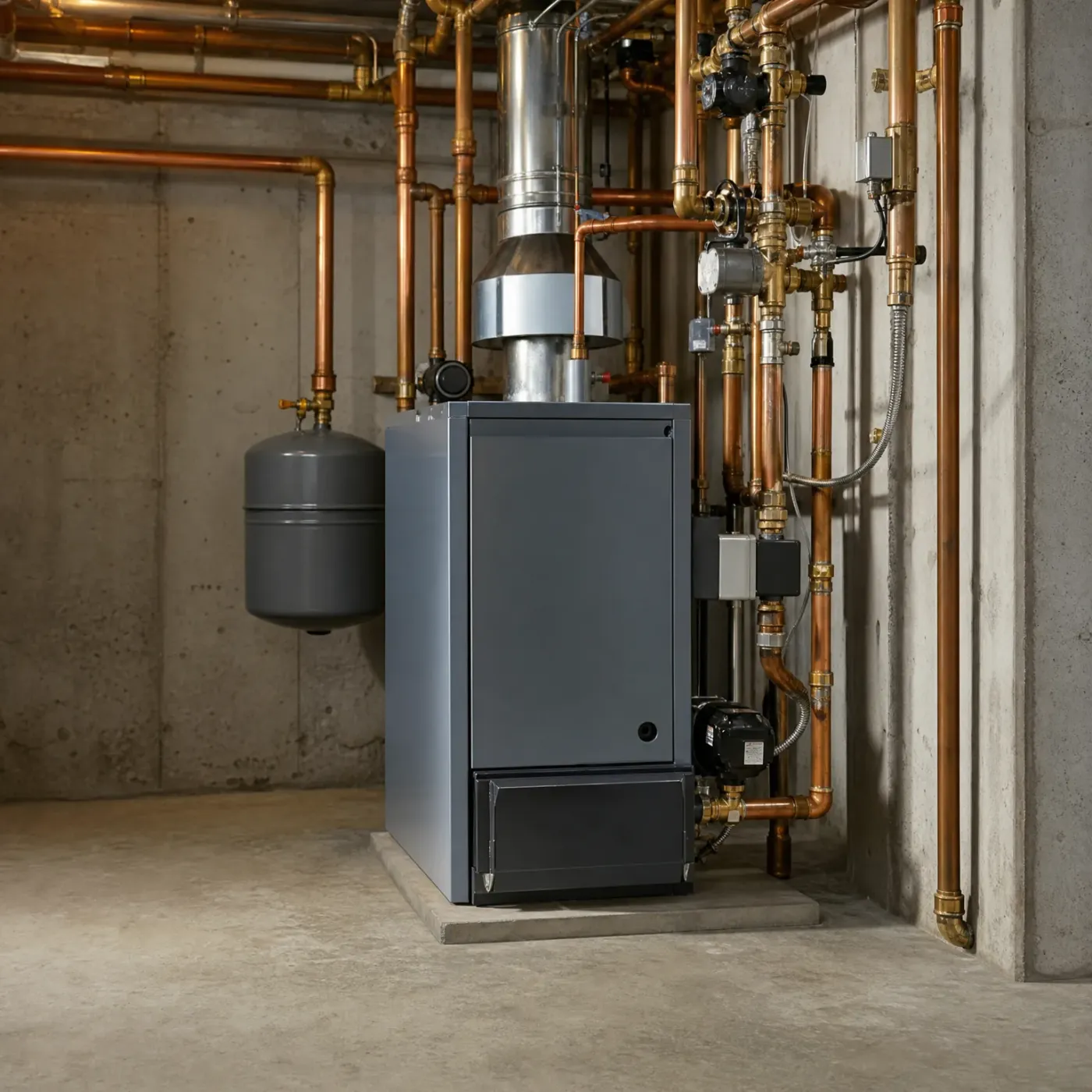
A gray boiler on a concrete pad in a basement, connected to copper piping, valves, circulator pumps, a metal flue, and a wall-mounted expansion tank.
After you get your boiler repair

What an aquastat actually controls

The aquastat is what tells your burner when to stop and start, based on water temperature, not room temperature. If it's reading wrong, the burner fires more than it needs to, which wears down the ignition system faster than normal use would. An aquastat that's drifted out of calibration is a cheap fix. One that's failed outright on an old boiler is sometimes the reason the rest of the unit starts failing within the same year, since the burner never gets a real break.
Why the heat exchanger decides everything

A boiler's heat exchanger is the one part that can't be replaced on its own. Everything else, the circulator pump, the zone valves, the aquastat, gets swapped out when it fails. The heat exchanger cracking means replacing the whole boiler. Rust-colored water around the base, or a faint metallic smell near the unit, both point to it. Oil-fired boilers push that exchanger hard every cold snap, and a Maine winter has enough of those to turn a small crack into a flooded firebox by February.

Winter nights average 13°F statewide

That 13°F average is the overnight low across the whole state, not a cold snap. Your boiler is holding against that most nights from December through February. A unit already cycling short or struggling to catch isn't going to ease up once real cold settles in.

NOAA nClimDiv 1991-2020 county normals weighted by homes

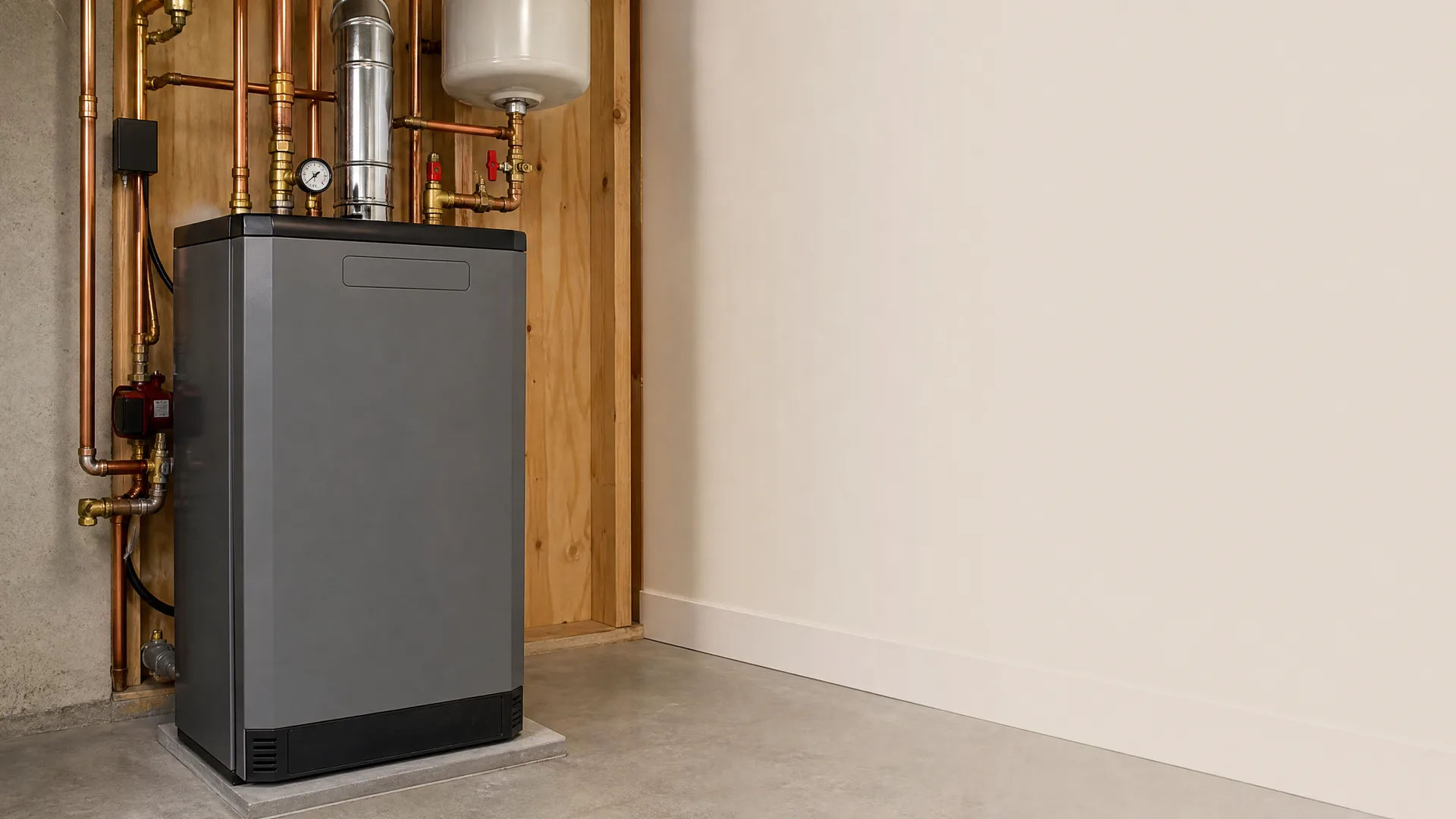
A dark grey floor-standing boiler on a concrete floor in front of a plywood wall, with copper pipes, valves, a pressure gauge, a flue pipe and a white expansion tank above it, beside a plain light-coloured wall.

Riding it out another winter

If the boiler is still making heat, holding pressure, and not leaking, waiting it out has a case. A repair now on a unit with real life left in it can carry you through December and into spring without a bigger outlay. The risk is timing. If it fails on one of those nights near 13 degrees, you're without heat until someone can get to the house, not the next afternoon.

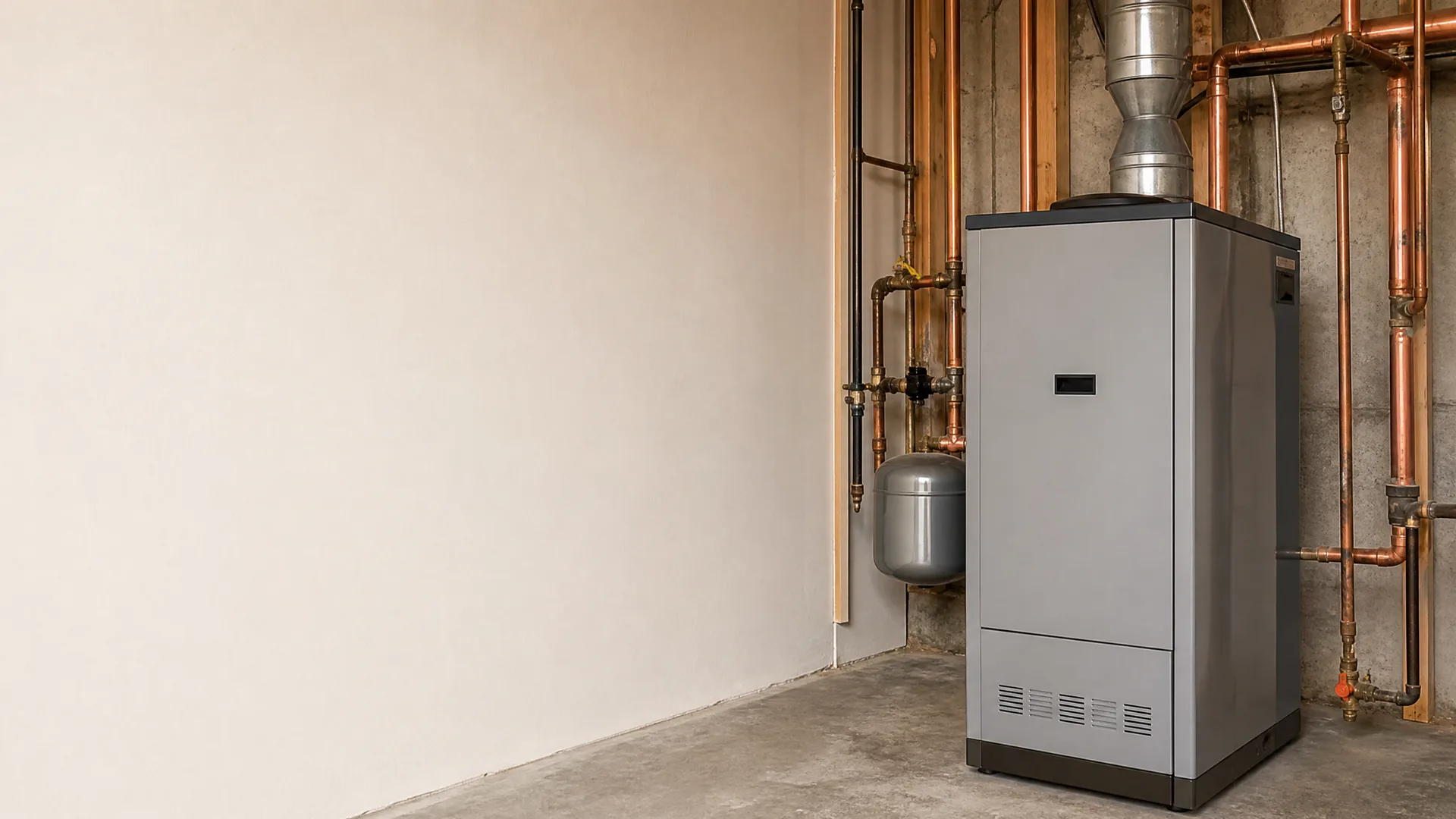
A gray boiler unit with a metal flue pipe stands in a basement corner, surrounded by copper piping and an expansion tank against a plain light wall and concrete floor.

Replacing it before deep winter

A boiler already showing a cracked heat exchanger or a flooded flue chamber isn't coming back from that, no matter how it's running today. Replacing it before the cold sets in means it's done on your schedule, not on a night when the lines are frozen and every other boiler in the county is calling the same contractors. The tradeoff is cost now instead of cost later, and no way around that.

Is your boiler actually going to make it to spring

Walk through your house tonight and pay attention to what you hear and feel. A room that used to hold heat and now doesn't, a radiator that takes longer to get warm, a burner that rumbles or bangs instead of lighting clean. Check the floor around the boiler for a damp spot or a ring of rust. Look at the flue pipe for streaks or soot. None of this means the boiler quits tomorrow, but a unit already struggling in October has a hard road ahead once the oil is running most of the day to keep up. If it fails outright in January, you're not just without heat, you're without hot water too, and pipes left cold long enough can freeze.

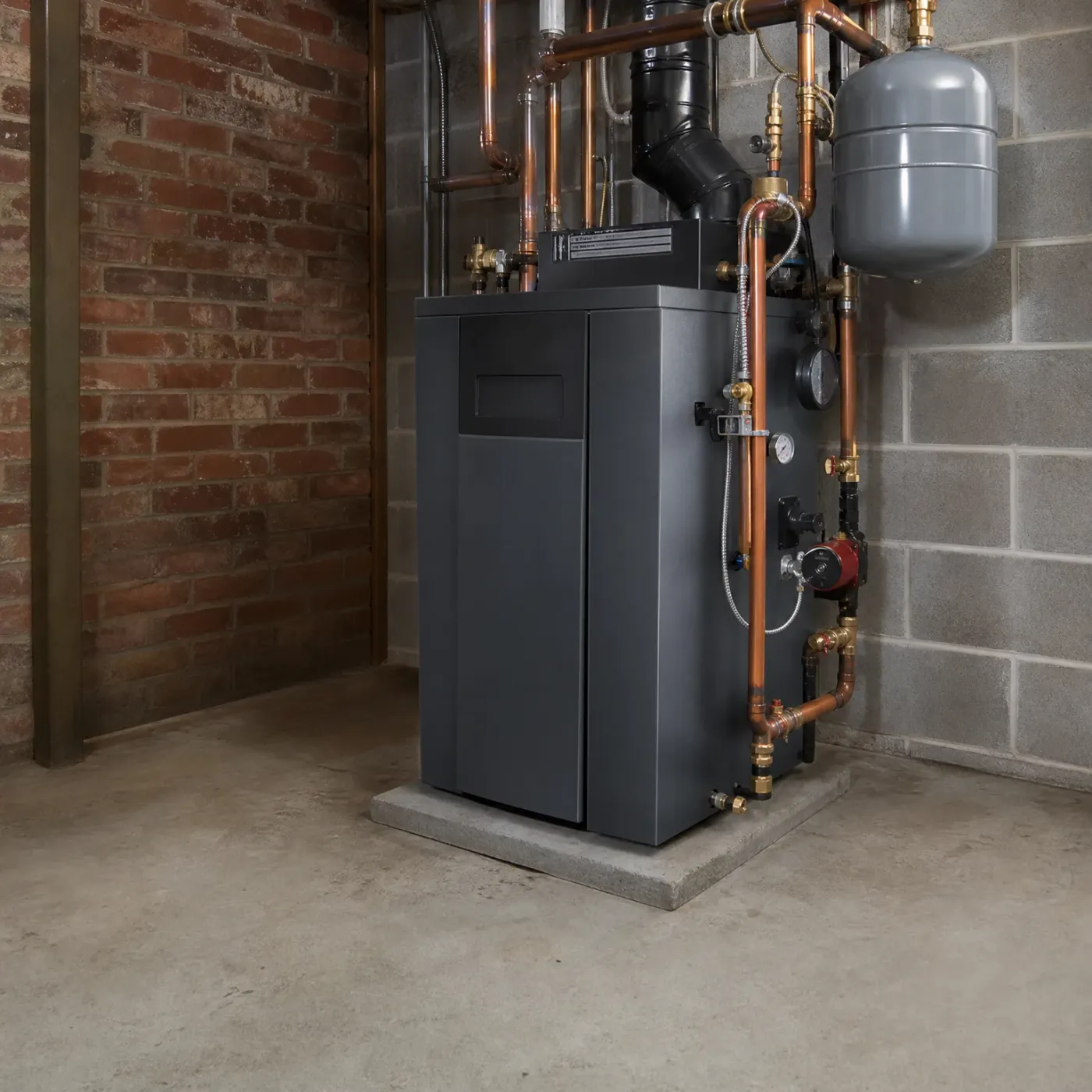
A dark gray floor-standing boiler on a concrete pad in a basement, connected to copper piping, valves, a circulator pump, a gauge, a black flue pipe, and a gray expansion tank, with a brick wall on the left and concrete block wall behind.
A boiler like this is holding steady: clean burn, dry pipes, pressure where it should be, nothing straining to keep the house warm.
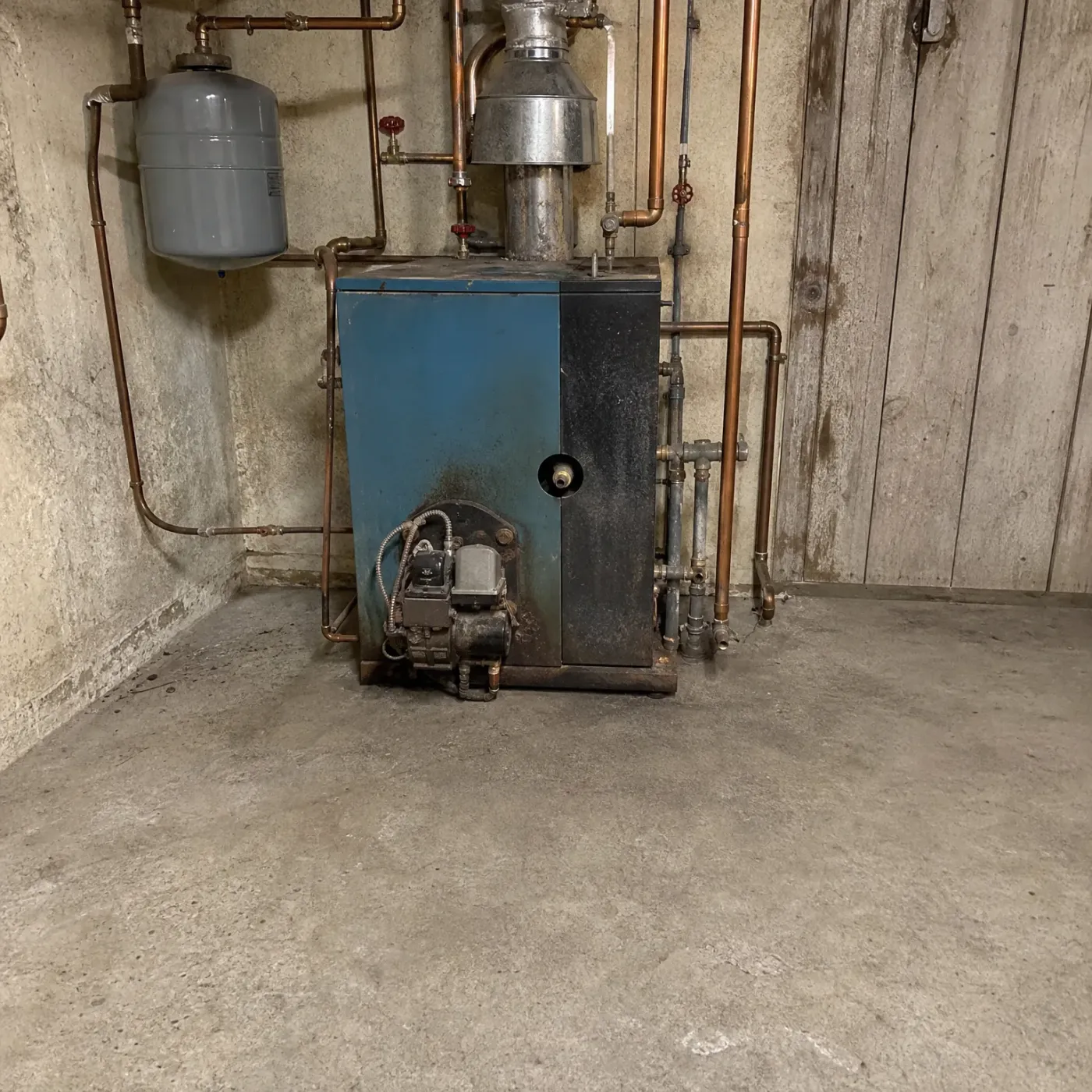
A blue and black boiler with a burner unit, flue, expansion tank and copper and steel piping stands on a concrete basement floor against a concrete wall and wooden plank partition.
An old boiler pushed into a corner and left alone is often the one already losing ground, with no one checking the pressure or the flue.
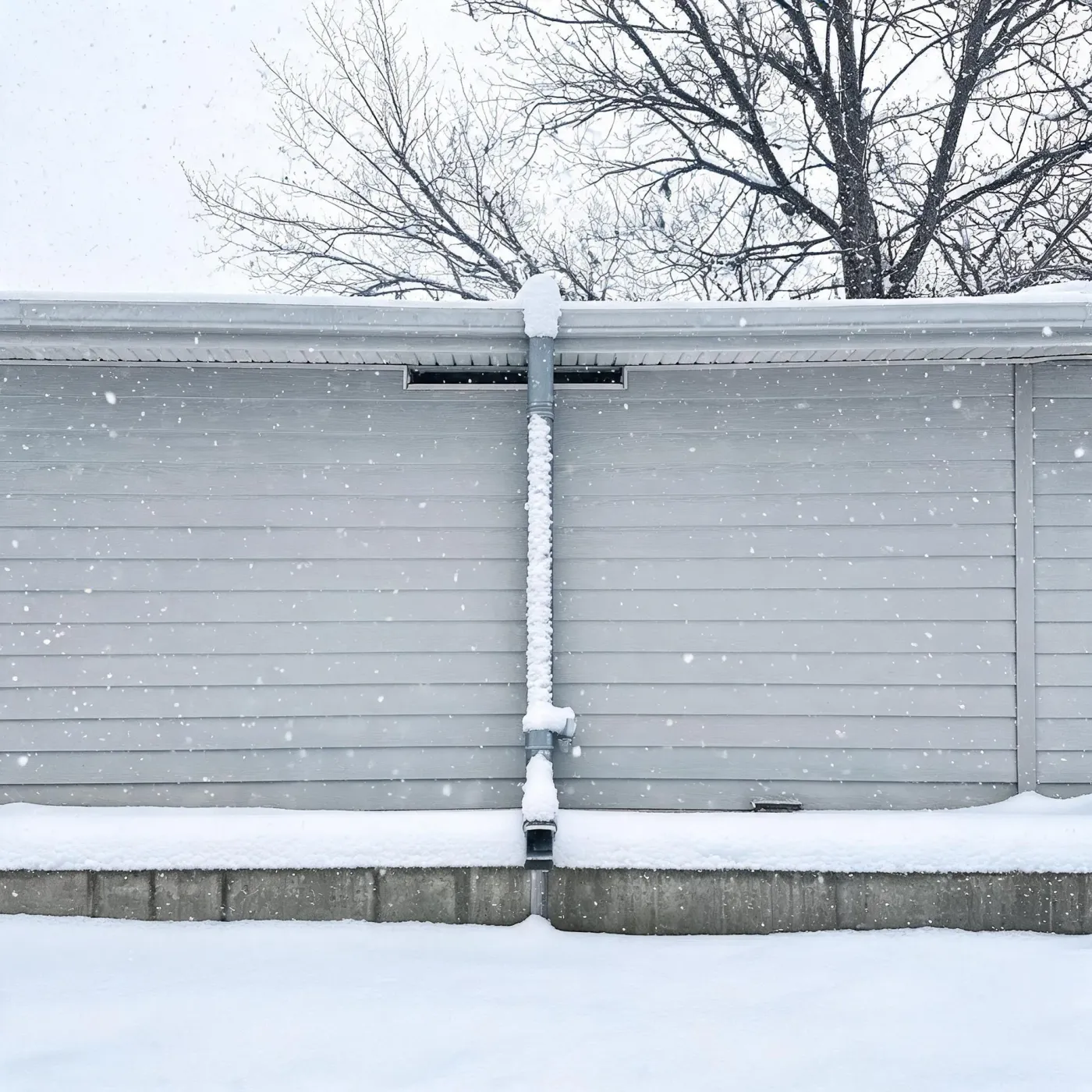
Exterior wall of a building with light gray horizontal siding and a snow-covered downspout running down its center, with bare trees behind the roofline and falling snow over deep snow on the ground.

The National Weather Service puts the statewide average winter night at 13°F. That's the cold your boiler is pushing against for months, not just on the worst night of January. A unit in good shape cycles on, brings the water up to temperature, and shuts off. One that's already struggling runs longer to get there, or fires again sooner than it should, because the house is losing heat faster than it can replace it. You'll feel it as a chill that sets in faster after the burner stops, or a room that never quite catches up before morning. That's the strain showing up where you can notice it.

NOAA nClimDiv 1991-2020 county normals weighted by homes

A closed laptop and a cream mug of coffee on a coaster sit on a dark wooden table, with a potted plant at left and a kitchen counter, tiled backsplash and shelf of ceramics in the background.

Where that leaves your boiler

The signs add up or they don't. A rumbling burner, cold radiators, water around the base, a thermostat that can't keep the house even, those tell you something real about what's ahead this winter. A boiler that's quiet, holds pressure, and heats the house the way it always has can probably wait on anything more than the repair it needs now.

If what you're seeing points to trouble, the next step isn't tracking down a plumber or heating contractor on your own, calling a few, explaining the same noises and symptoms over again, then weighing quotes against each other. Send the form and that part is done. What's left is getting the boiler looked at before the next cold stretch, not spending your evening finding someone willing to do it.

Interior corner of a room with a window and sheer curtain at left, a gray upholstered sofa with a cushion at right, and a round wooden table holding stacked books and a round vase with an olive branch.
Elevated view over a dark standing-seam metal roof with a stone chimney and wood-sided gable, surrounded by conifers and autumn-colored trees with forested hills under an overcast sky.

Send one request and you're done looking

Let a pro reach out

No fee to send it, and nothing to sign.

A boiler that's already short cycling in November won't ease up in January. Sending the request now means you skip calling around and explaining the same problem twice. Someone else sorts out who's available, so you're not doing it on a night when the radiators are cold.