Tell us about the job
Takes about a minute. No obligation.
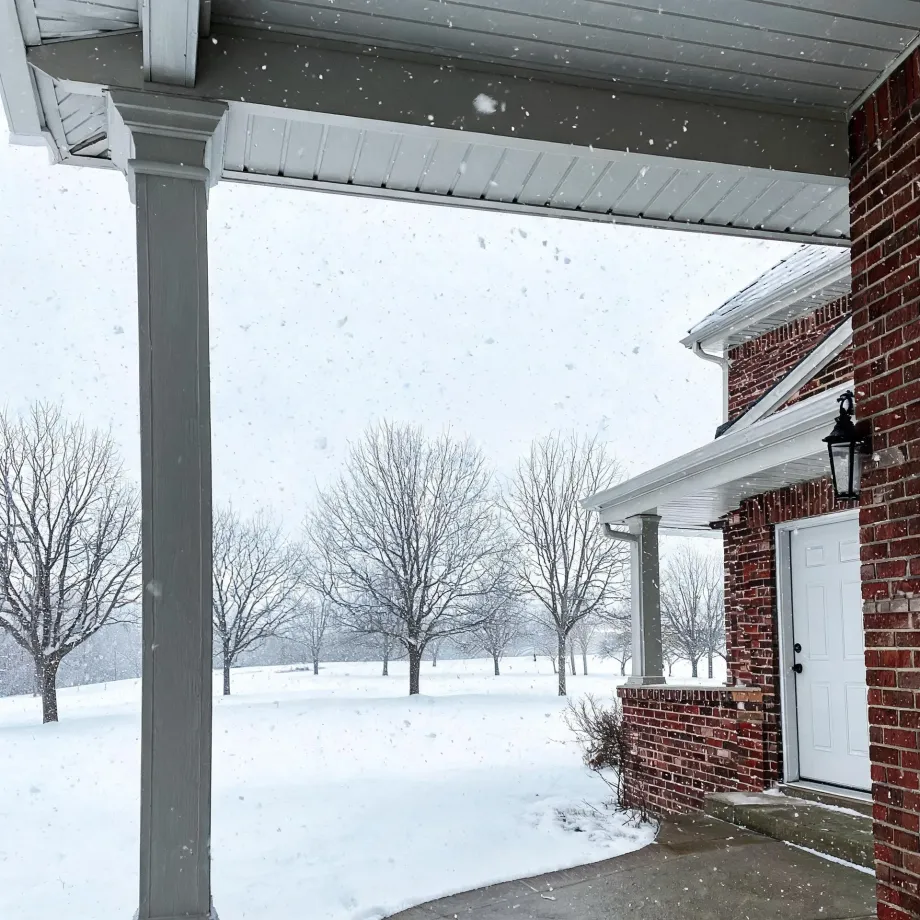
On a repair call, a contractor working a Franklin County boiler starts with the burner and ignition system. Homes in Franklin County, ME run heat about ten months a year, from September through June. That kind of accumulated cycling leaves its mark on the ignition components and the heat exchanger long before it shows up anywhere else in the unit. Seals crack, igniters weaken, and the heat exchanger develops stress from repeated thermal expansion across a long season. A contractor who skips straight to secondary components on a first visit is skipping past where the wear actually lands.
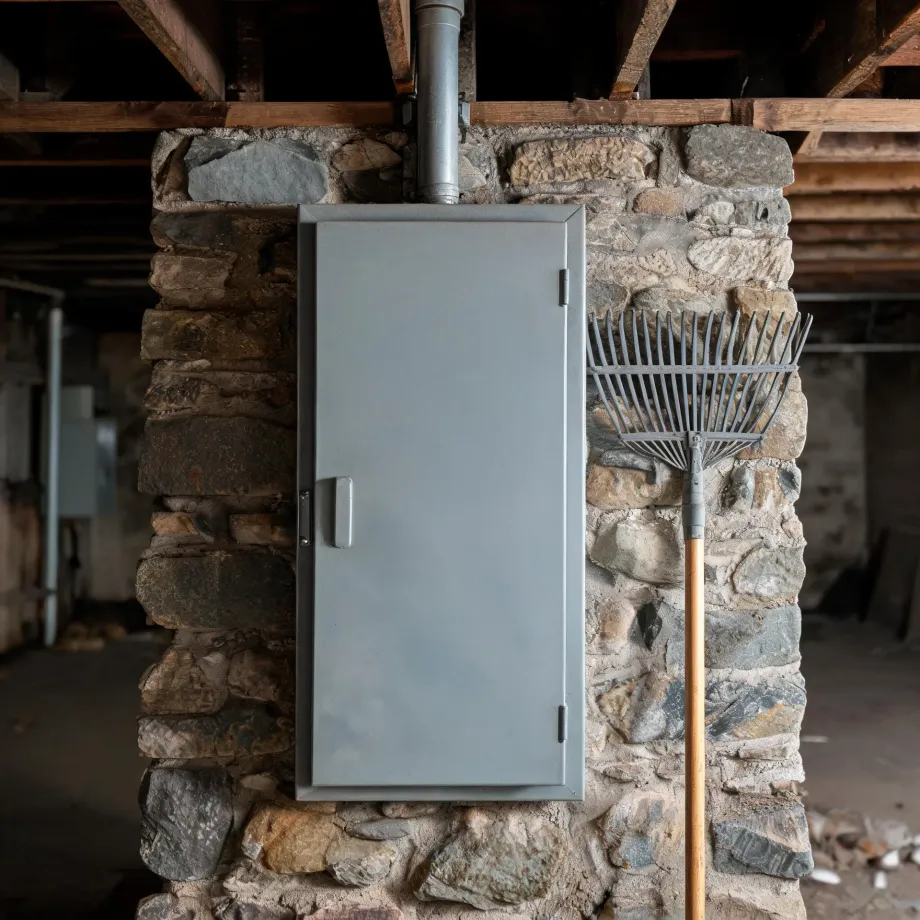
Boilers in housing this old have often been serviced across multiple ownerships, with parts swapped, zones added, and distribution lines rerouted in ways that leave no single authoritative record of what is actually in the system. Half the homes in Franklin County, Maine were built in 1978 or earlier (2020-2024 ACS 5-year). That history of accumulated changes is what a contractor is sorting through once the unit is open: whether what is there matches what the repair calls for, and whether the parts the existing configuration takes are still in production. A quote that comes back different from the first estimate usually traces to something found at that stage, not to the boiler itself.
The Parts of a Boiler a Contractor Checks During Repair
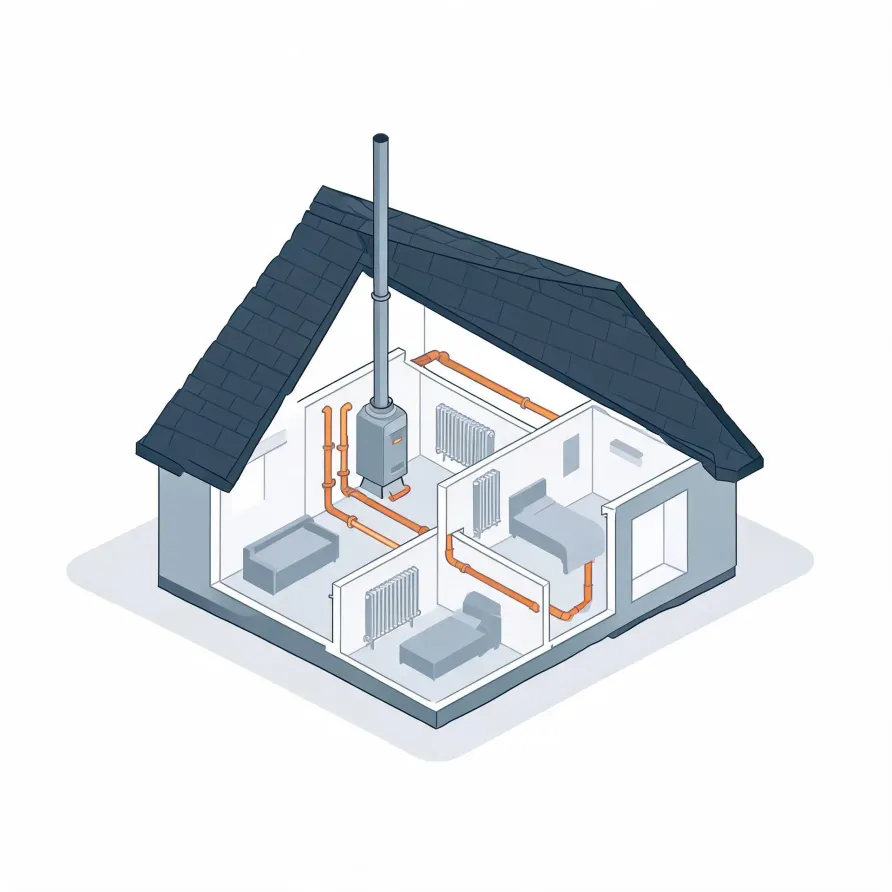
The boiler itself sits in the basement or a utility room and is the heart of the system. A contractor checking it for faults will look at the burner assembly, the heat exchanger, and the pressure relief valve, since those are the pieces most likely to be behind a loss of heat, strange noises, or a pressure problem.
Running out from the boiler are supply and return pipes that carry hot water to the radiators or baseboard units in each room. The circulator pump, which drives water through those pipes, and the expansion tank, which manages pressure changes as the water heats and cools, both sit close to the boiler and are examined early in any repair call.
The drawing shows a typical boiler layout, and a licensed contractor determines which parts apply to the specific system in your home.
Find a contractor in Franklin CountyFranklin County, Maine, by the numbers
142 severe weather events were recorded in Franklin County, Maine between 2015 and 2024.
NOAA National Centers for Environmental Information, Storm Events Database, bulk CSV export, events 2015-01-01 through 2024-12-31.Half the homes in Franklin County, Maine were built in 1978 or earlier (2020-2024 ACS 5-year).
U.S. Census Bureau, 2020-2024 American Community Survey 5-Year EstimatesFranklin County, Maine holds 21,234 housing units (2020-2024 ACS 5-year).
U.S. Census Bureau, 2020-2024 American Community Survey 5-Year EstimatesOwners occupy 76.3% of the occupied homes in Franklin County, Maine (2020-2024 ACS 5-year).
U.S. Census Bureau, 2020-2024 American Community Survey 5-Year EstimatesBoiler Repair Rules and Codes for Franklin County, Maine1 sourced standards and regulations
Licensing Rules for HVAC Repair in Franklin County, Maine
Maine licenses the fuel-burning side of heating rather than HVAC as a trade: a Maine Fuel Board licence is required to install or service solid fuel, oil, propane or natural gas burning equipment, including pellet-fired central heating appliances. Air conditioning is not named anywhere in the chapter.
Severe Weather Events in Franklin County
Boilers in Franklin County work harder and break down differently depending on what the weather outside demands of them. Storm events put stress on heating systems in ways that show up later as repair calls, which is why local weather history is part of understanding local equipment wear.
142 severe weather events, 2015–2024. Source: NOAA National Centers for Environmental Information, Storm Events Database.