Tell us about the job
Takes about a minute. No obligation.
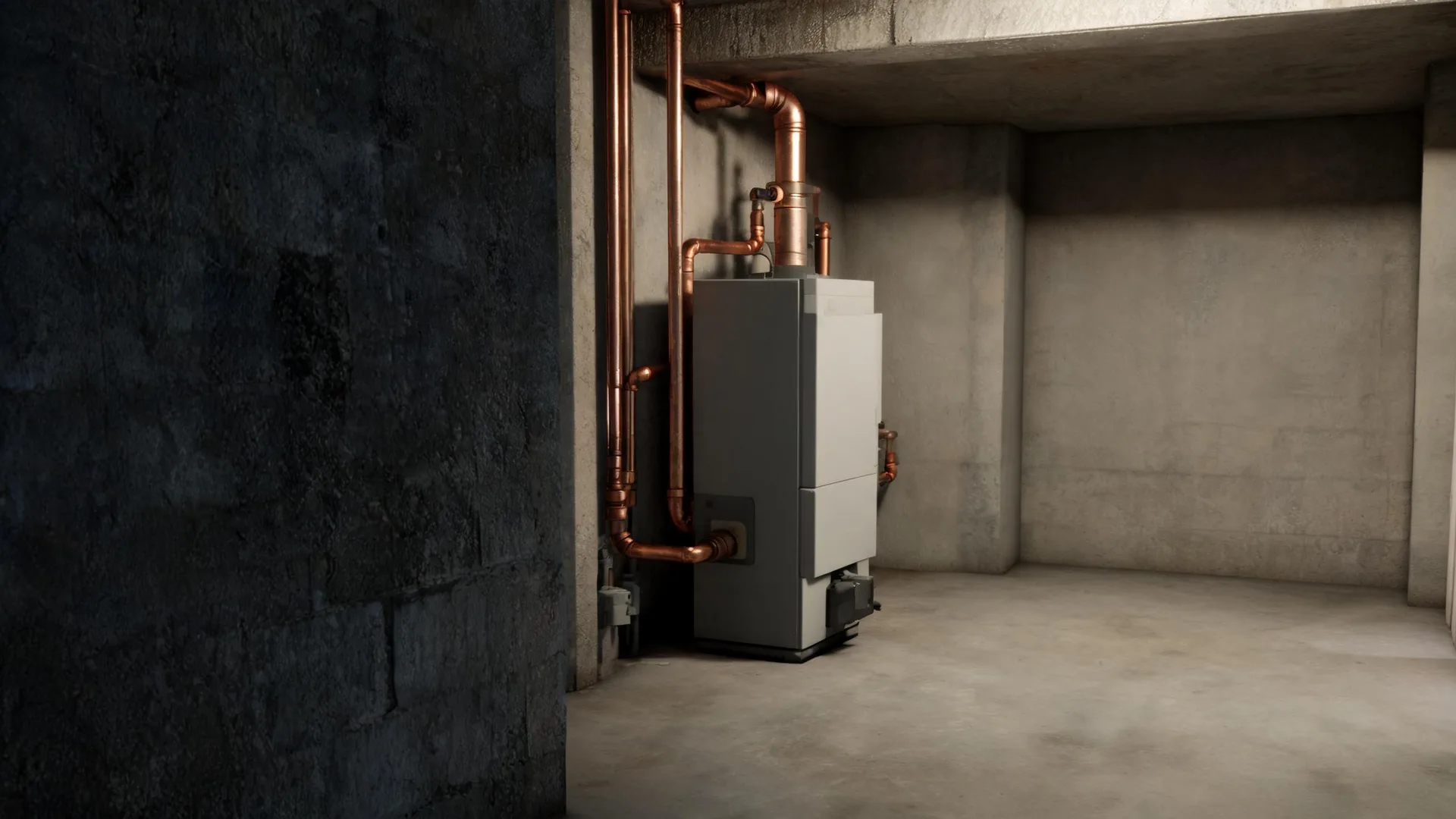
Sizing a boiler correctly for this house matters more than the brand on the cabinet, because a unit that is undersized cycles harder and more often than one matched to the actual load. Homes in Hancock County, ME run heat about nine months a year, from September through May. The burner, heat exchanger, and ignition system run through the bulk of the calendar year, and wear on those components tracks directly to how well the system was commissioned at the start. A contractor quoting a boiler installation here will run a heat load calculation before settling on capacity, because an undersized unit installed today shows its shortcomings through the heating season rather than years later.
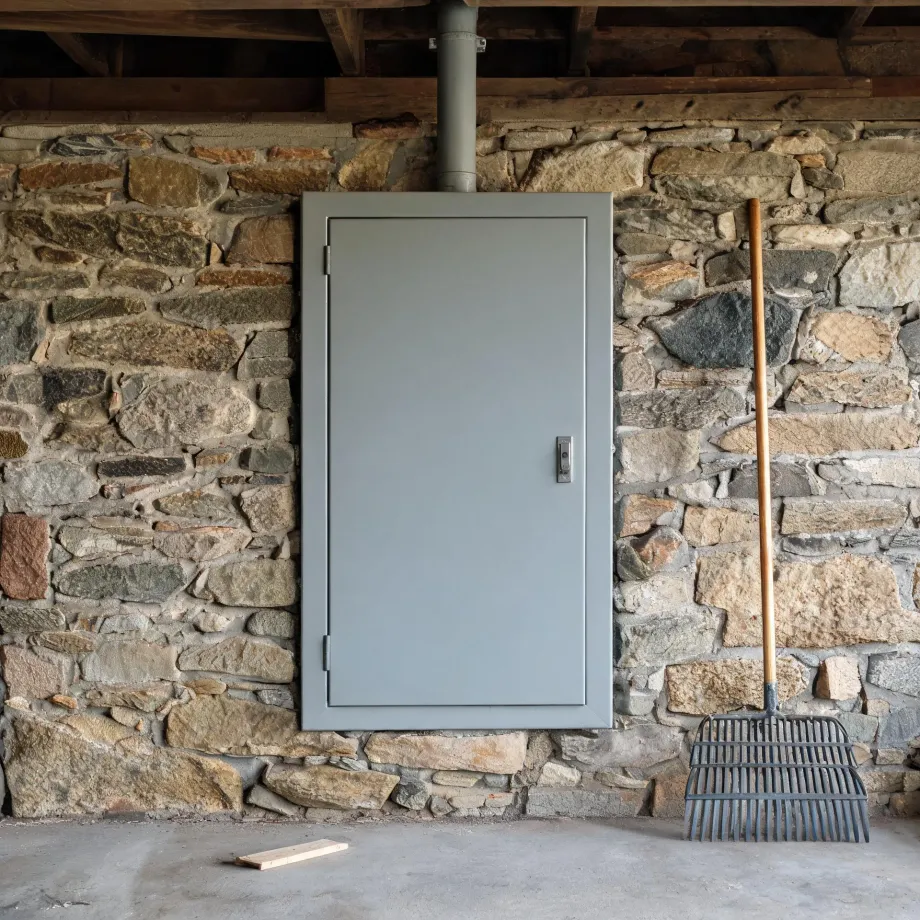
Ductwork laid down for an earlier generation of heating equipment shapes what a boiler installation here actually involves. Half the homes in Hancock County, Maine were built in 1982 or earlier (2020-2024 ACS 5-year). A contractor sizing a new boiler for a house in this county has to open and trace what is already there, because the runs were built around a different system and may not move heat the way a modern boiler distributes it. That assessment drives the scope. What it turns up determines whether the existing ductwork stays, gets modified, or gets replaced, and that answer changes the job more than the unit itself does.
What a Boiler Installation Puts in Your Home
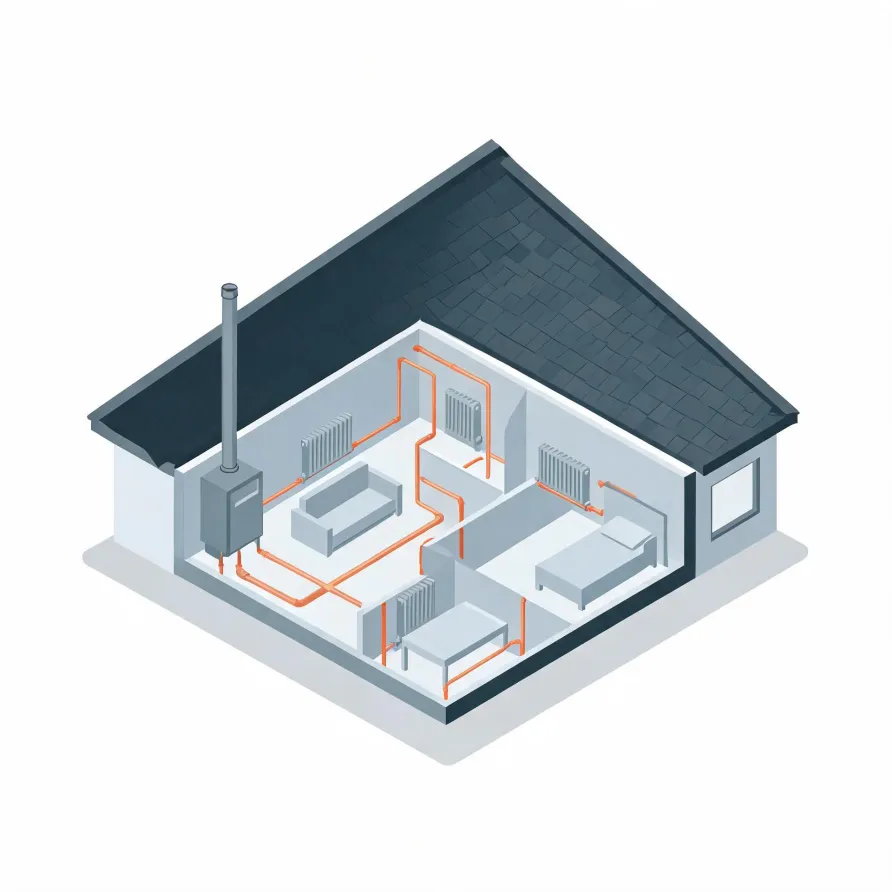
The boiler itself sits in the basement or mechanical room and is the system's heat source. A contractor also sets the expansion tank nearby, which absorbs pressure changes in the water as it heats and cools. Together these two pieces form the core of what goes in.
From there, the circulator pump moves heated water out through the supply piping to the radiators, baseboard units, or radiant floor loops in the living spaces. A pressure relief valve and the system controls, including the aquastat that governs water temperature, mount at or near the boiler.
The drawing shows a general layout of these components, and a licensed contractor determines exactly what the installation requires for your house.
Find a contractor in Hancock CountyHancock County, by the numbers
155 severe weather events were recorded in Hancock County, Maine between 2015 and 2024.
NOAA National Centers for Environmental Information, Storm Events Database, bulk CSV export, events 2015-01-01 through 2024-12-31.Half the homes in Hancock County, Maine were built in 1982 or earlier (2020-2024 ACS 5-year).
U.S. Census Bureau, 2020-2024 American Community Survey 5-Year EstimatesHancock County, Maine holds 40,765 housing units (2020-2024 ACS 5-year).
U.S. Census Bureau, 2020-2024 American Community Survey 5-Year EstimatesOwners occupy 78.5% of the occupied homes in Hancock County, Maine (2020-2024 ACS 5-year).
U.S. Census Bureau, 2020-2024 American Community Survey 5-Year EstimatesBoiler Installation Rules for Hancock County, Maine1 codes & standards
Licensing and Legal Requirements in Hancock County, Maine
Maine licenses the fuel-burning side of heating rather than HVAC as a trade: a Maine Fuel Board licence is required to install or service solid fuel, oil, propane or natural gas burning equipment, including pellet-fired central heating appliances. Air conditioning is not named anywhere in the chapter.
Severe Weather Events in Hancock County
Heating equipment in this part of Maine works against whatever the climate delivers, and local weather patterns shape how hard that equipment has to work over its lifetime. A boiler sized and installed for actual local conditions holds up better than one specified against a generic load.
155 severe weather events, 2015–2024. Source: NOAA National Centers for Environmental Information, Storm Events Database.