Skip the yearly check
The aquastat drifts, the burner runs dirtier, and nobody notices until a cold snap hits and the boiler can't keep up with it.

Most homes here do fine with the boiler's water temperature set between 160 and 180 degrees once the cold settles in for the winter. Maine winters ask for that high end more than most places, since a boiler running too cool won't push enough heat through the radiators or baseboards to keep up when it's in the teens or single digits outside. Some boilers have an outdoor reset control that adjusts the water temperature automatically as it gets colder, and if yours has one, it's usually already tuned for this. If your rooms stay cold no matter how high you set it, that's not a setting problem anymore. It points to something in the system working harder than it should, like a thermostat that's out of calibration or a boiler that's losing efficiency as it ages. Since most homes here run on oil, a boiler working harder than it needs to shows up fast in how much oil gets used over the winter.
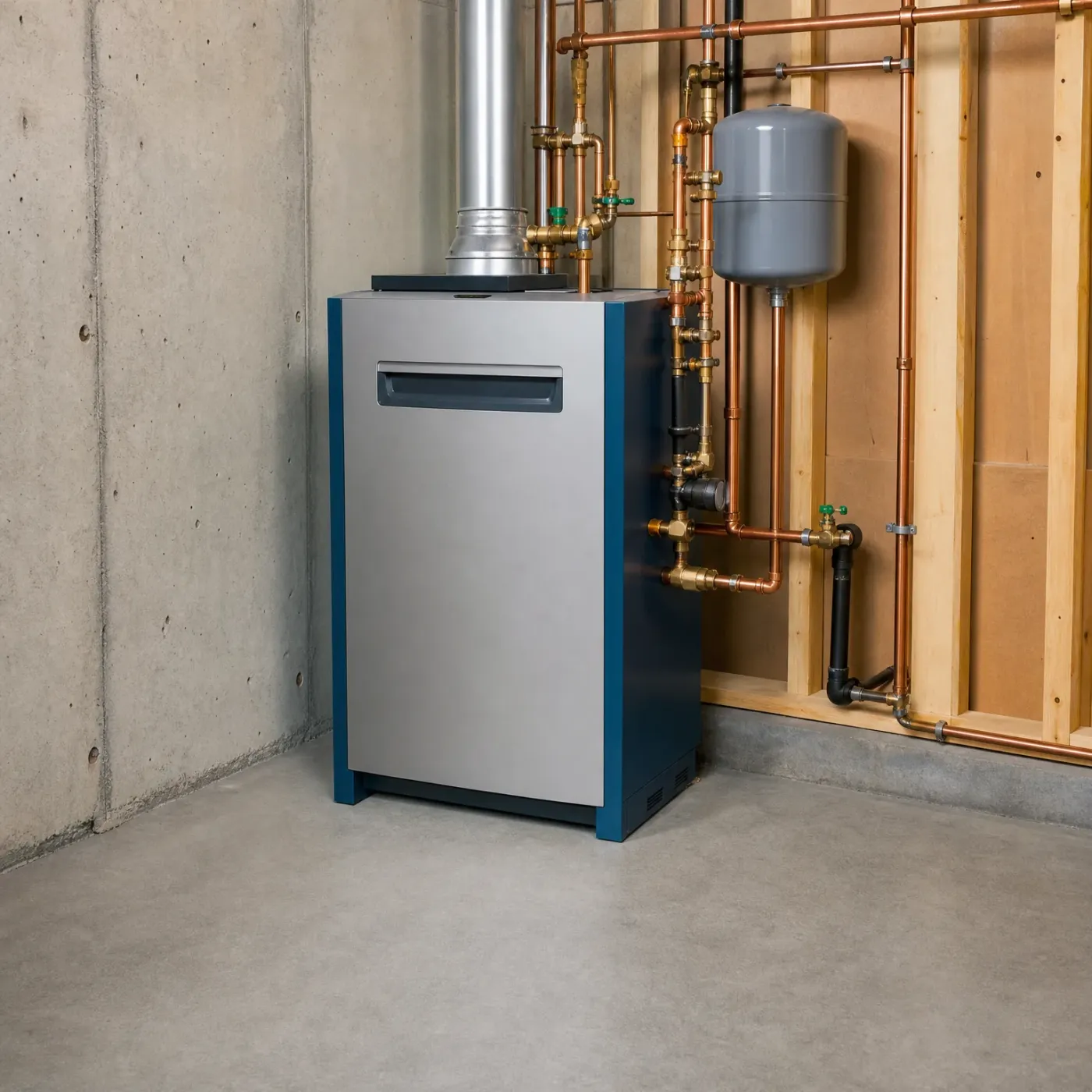
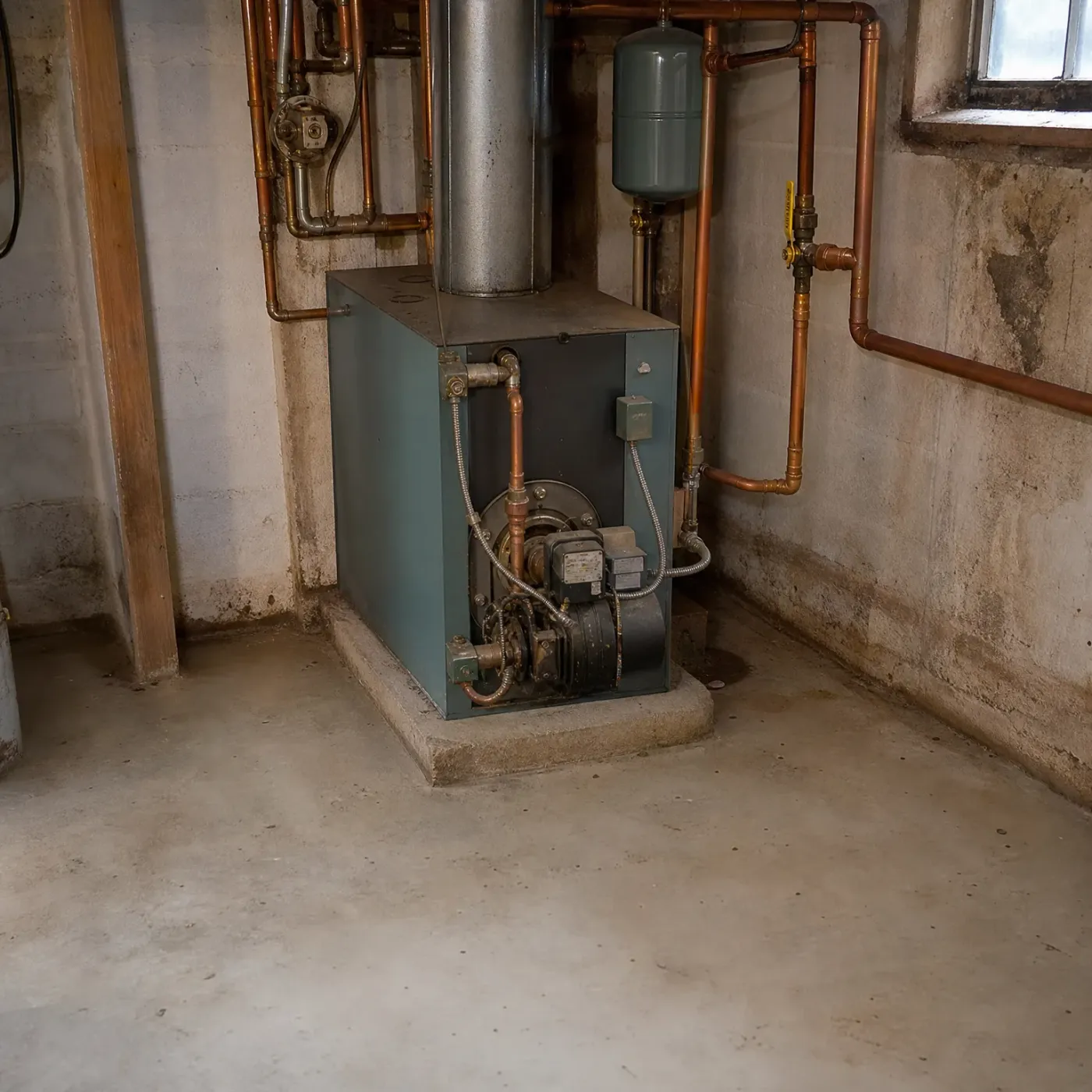
The aquastat is what decides when your burner fires. It reads the water temperature inside the boiler and compares it against the setpoint you've given it. Most oil boilers run a differential of around 10 degrees, so if you've set 170, the burner kicks on again once the water cools to about 160. That cycle repeats all winter without you touching anything, as long as the setpoint matches what the cold outside is asking for.
Set too low, the system has to work harder to get heat where it's going. Water that leaves the boiler lukewarm has less to give by the time it reaches a radiator at the far end of the house, so the circulator pump runs longer trying to make up the difference. The burner and igniter take that wear directly, firing more often and running longer each time to chase a target it's not quite reaching.
There's a quieter cost too. Boiler water that stays too cool lets moisture settle in the flue instead of venting off as it should, and that dampness is usually where corrosion starts in an oil-fired system. Bumping the aquastat up a few degrees ahead of a hard cold snap, rather than after the house has already gone cold, gives the burner a head start instead of putting it behind all night.


Set wrong for the season, a boiler doesn't fail outright. It just stops keeping up. You'll notice it as a bedroom upstairs that never quite gets warm, even though the thermostat downstairs says it's satisfied. You'll notice it in the oil tank, emptying faster than it should because the burner is firing more often to chase a setpoint that's too low for January. And you'll notice it eventually in a service call, because a burner and igniter working overtime wear down faster than one running the way it was meant to. None of this shows up as an obvious breakdown. It shows up as rooms that feel off, bills that run high, and a boiler that needs attention sooner than it otherwise would. The fix usually isn't a new part. It's checking whether the setpoint matches the cold outside. Too high and the system short cycles, which strains it a different way. Either direction costs you, in comfort or in oil, and oil here isn't cheap to waste.




The aquastat setting is easy to get wrong, and most people never touch it again once the boiler's installed. If yours has been running cool all winter, or the pipes have been knocking since the cold set in, that's worth a look before oil prices climb any higher. A local contractor who works on oil boilers all winter here knows which aquastats drift, which burners short-cycle on a Maine January, and what setting actually holds in a house like yours. Ask for a match and one licensed contractor near you takes on the request, so you're dealing with a single call back instead of a handful of strangers competing for the job. Someone who knows your street's winters and your boiler's quirks is worth more than a guess at 170 degrees. Get the setting checked now, while the burner's already working hard, rather than after another month of high oil bills.
A boiler holds its setpoint better than it hits it fast, so raising the temperature won't warm the house any quicker. It just means the water stays hotter once it gets there.
That's why nudging the aquastat up a few degrees on the coldest nights helps more than cranking the thermostat. The water carries more heat through the same pipes, same radiators, same run.
At 13 below freezing most winter nights, your boiler is fighting a real gap between that water and your rooms. That's the range where a setpoint stuck too low shows up fastest, in cold upstairs air and a burner that won't stop firing.
NOAA nClimDiv 1991-2020 county normals weighted by homes
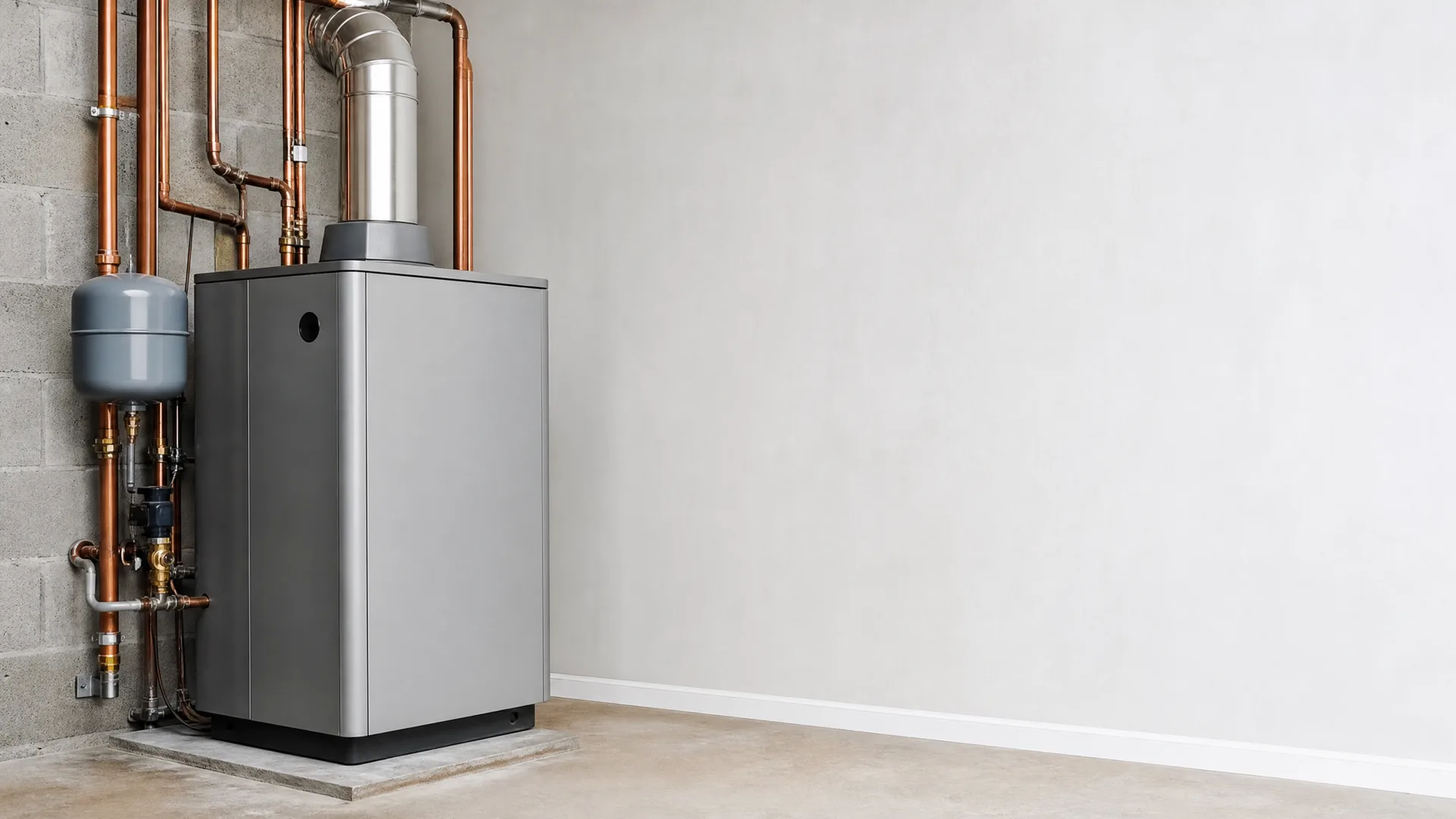
Early in the season, before the real cold sets in, a lower setpoint around 150 does the job without waste. The boiler satisfies the thermostat fast, cycles end quickly, and the oil tank doesn't drain the way it will in February. Pipes stay quiet because the water isn't pushing against a big gap between itself and the air in the room. This is the easy stretch, and the setpoint can reflect that.
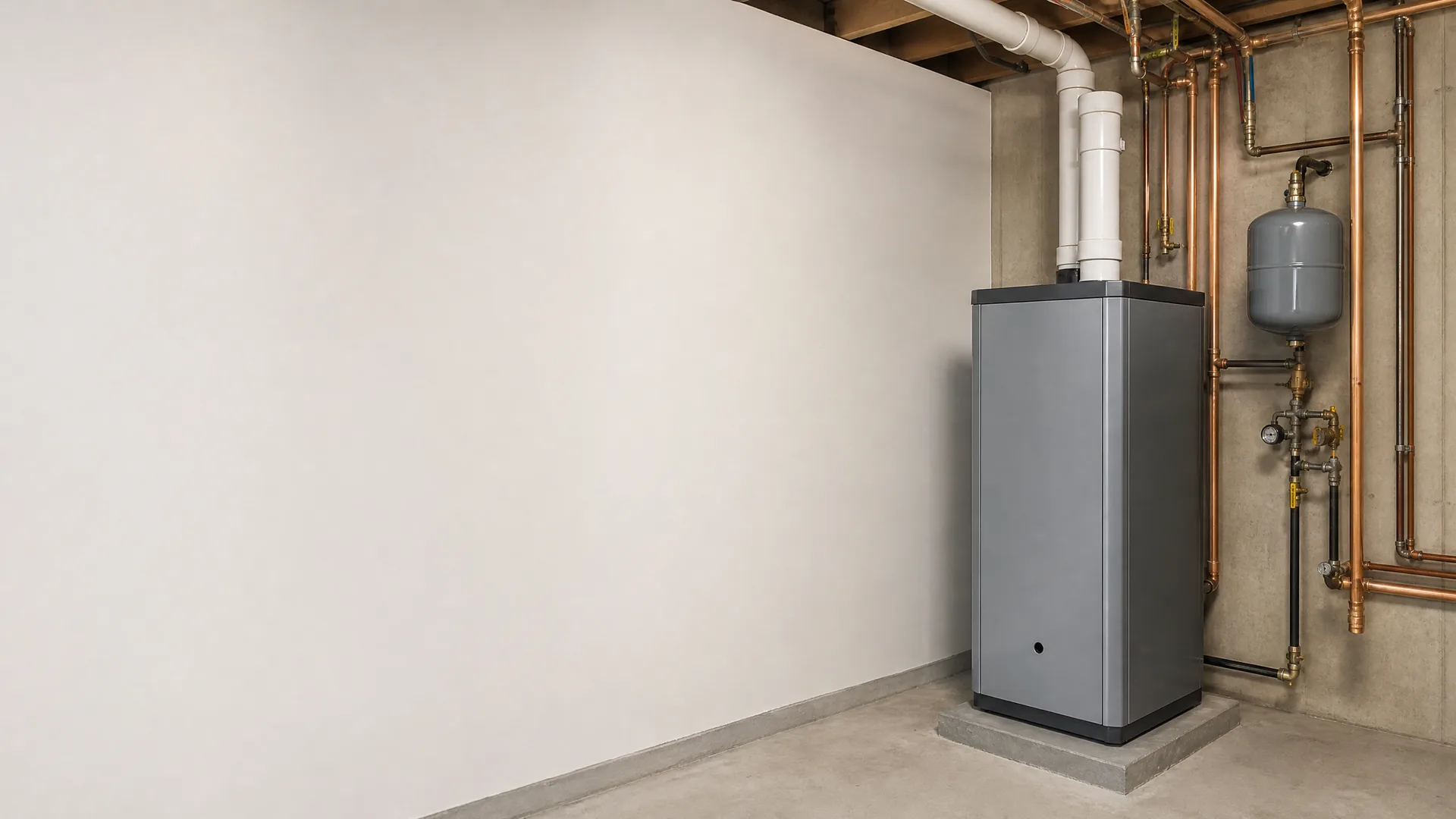
Once nights sit well below freezing, that same 150 leaves upstairs rooms cold no matter how long the burner runs. The gap between the water and the air is too wide for the boiler to close at a low setpoint, so it fires longer and more often trying to catch up. Moving the aquastat toward 180 for these weeks gives the water enough heat to actually close that gap, and the burner settles into a steadier, shorter cycle instead of running flat out.
Statewide, winter nights average 13°F, per NOAA data, and that's the number your boiler is actually working against, not the daytime high. Water leaving the boiler at a setpoint that was fine in November has to fight a much bigger gap to warm a room once nights sit that low. You'll notice it as a burner that fires more often and runs longer each time, and as upstairs rooms that stay cool even with the thermostat satisfied downstairs. The oil tank empties faster on those nights too, since every cycle is doing more work to close the same gap between 13 and 68.
NOAA nClimDiv 1991-2020 county normals weighted by homes
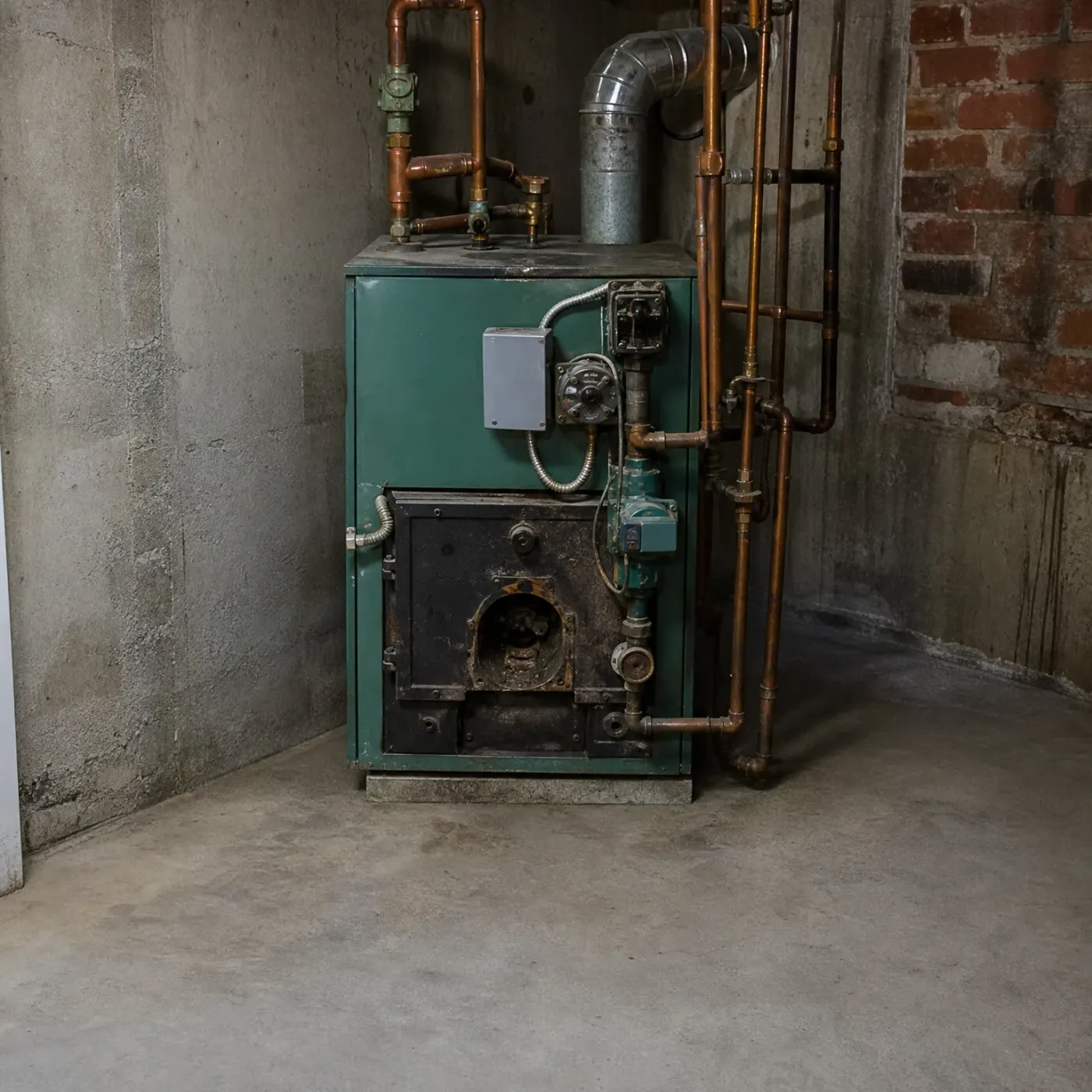
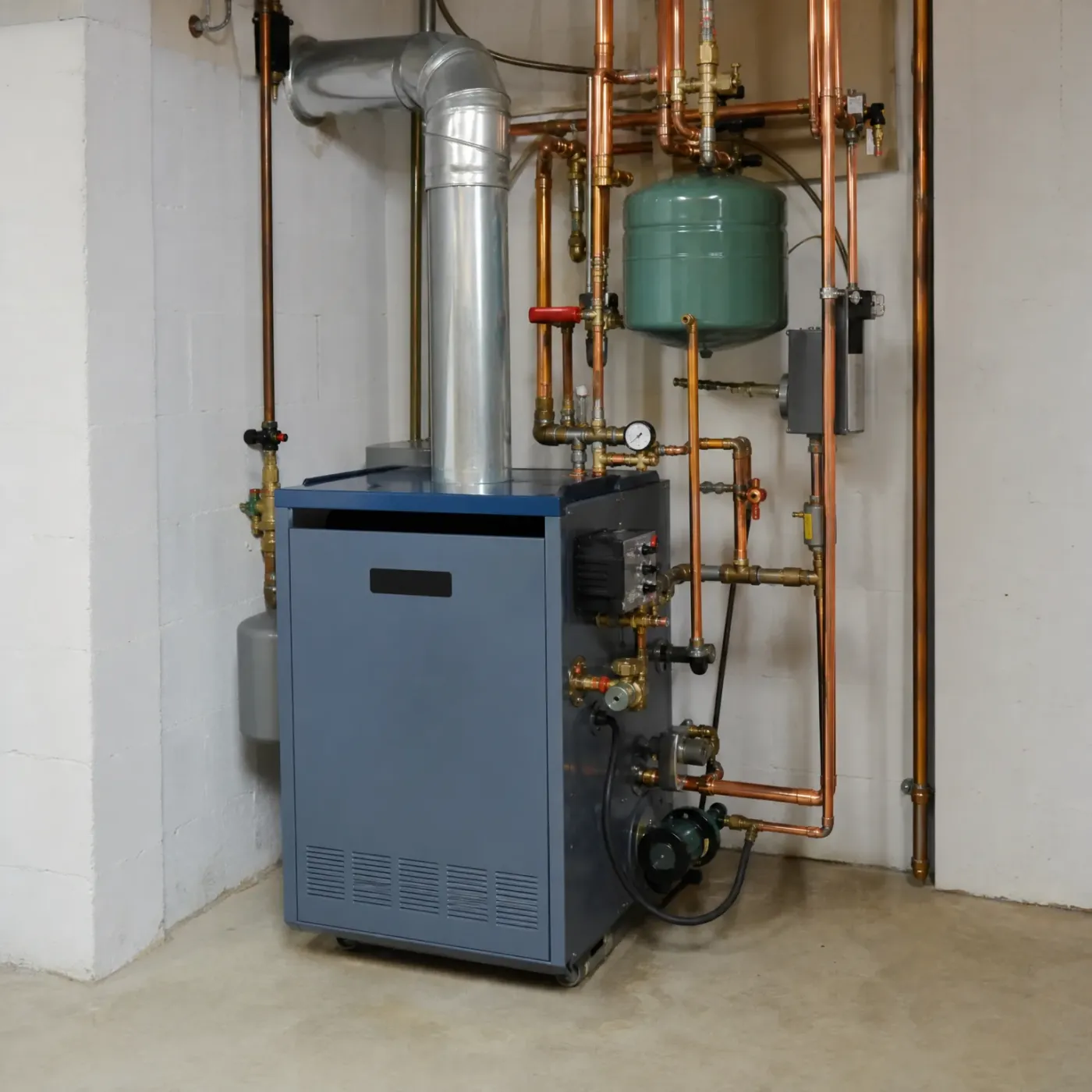
The aquastat drifts, the burner runs dirtier, and nobody notices until a cold snap hits and the boiler can't keep up with it.
A local tech who works on these oil boilers all winter can check the aquastat and burner before the next stretch of hard cold.

That's the number. Up near 180 once the cold settles in, back down when it breaks in spring, with the aquastat doing the switching if someone's set it right. A boiler left at one setting all year is guessing at a problem Maine's weather already answers for you.
Checking that setting isn't a job most people take on themselves, and it doesn't need to be. A local tech who services oil boilers through a full Maine winter has seen what a stuck aquastat does by January and knows where to look first. Answer a few questions about your boiler and you'll be matched with one contractor near you, licensed for this work, who calls you directly. No list of companies competing for your attention, just the one who's right for what your system needs.

Sending the form costs nothing.
A boiler that's never been checked is still running on whatever setting the installer left it at. A tech who works on oil boilers all winter in Maine can tell you in a few minutes whether yours is set right for the cold you're actually getting, and fix it if it's not.